

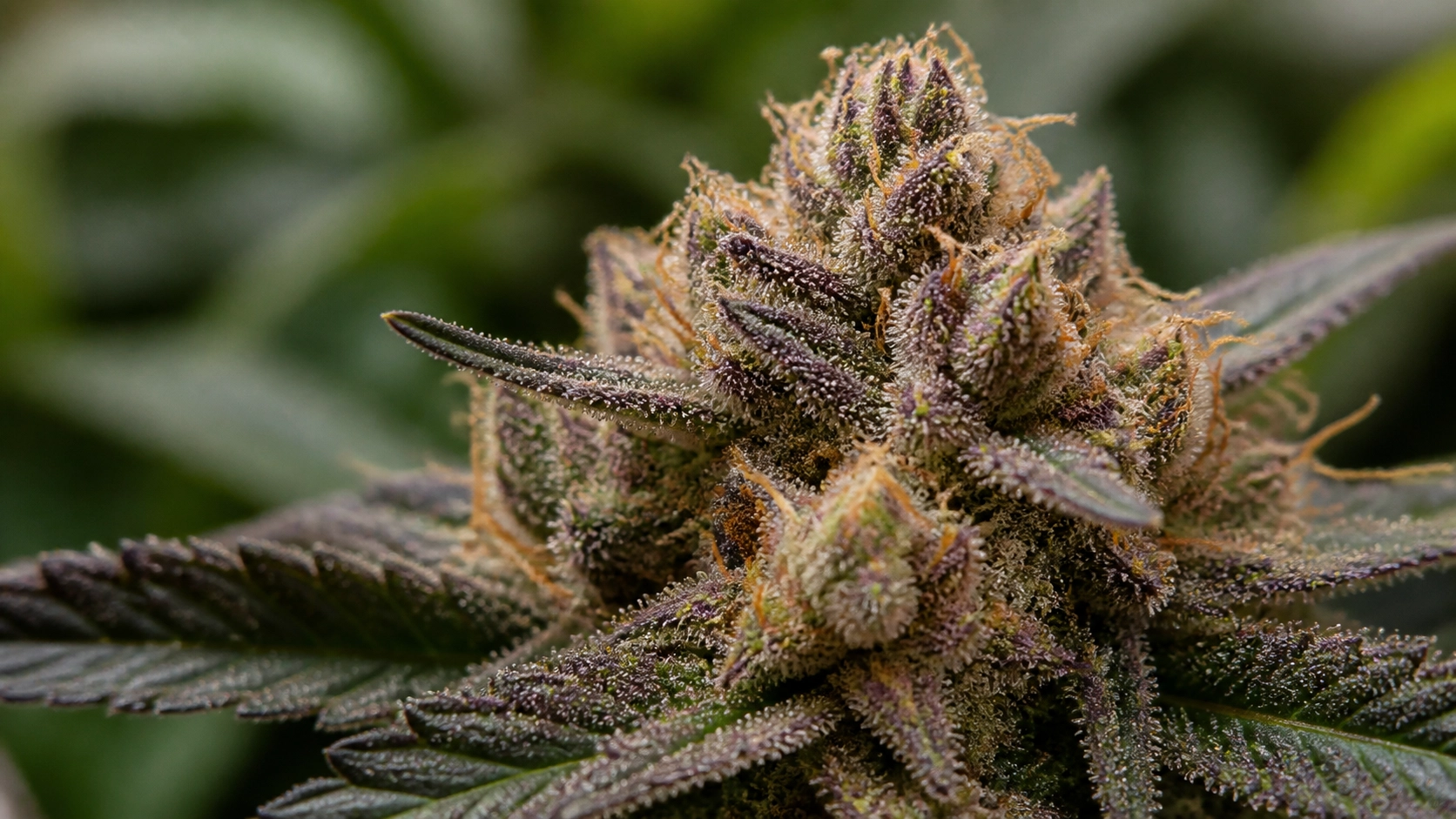
Welcome to our digital oasis, a place where curiosity meets clarity and science-backed information takes center stage. At Green Grove Bud, we believe that understanding the intricate chemistry of the cannabis plant is the first step toward a more mindful and transformative experience. For too long, the community has been led by simple labels and marketing myths that don't quite capture the full potential of this remarkable botanical. Whether you are a seasoned enthusiast or a newcomer taking your first steps, we are here to help you navigate the complex world of plant compounds. By shifting our focus from generic categories to specific chemical profiles, we can foster a deeper connection with the plant and make truly informed decisions that help us thrive. In this guide, we’ll pull back the curtain on the "Big 6" terpenes, the role of minor cannabinoids, and the groundbreaking research that is finally debunking the indica-versus-sativa divide. Our mission is to share the knowledge you need to cultivate a personalized journey that aligns with your lifestyle and values.
The Aromatic Architecture: Understanding the Big 6 Terpenes
To truly appreciate the nuance of a strain, we must first look at its terpenes. These are the organic, aromatic compounds responsible for the distinct scents and flavors of the plant, from the sharp zest of a lemon to the deep musk of a forest floor. But beyond their scent, terpenes play a pivotal role in how we experience the plant's effects.
Myrcene: The Earthy Foundation
Myrcene is the most abundant terpene found in modern commercial cannabis. With an aroma reminiscent of cloves, musk, and overripe tropical fruit, it is often the backbone of what many traditionally call "indica" profiles. We often find that myrcene-heavy strains are associated with a deeply grounding, tranquilizing sensation. It is widely recognized for its potential to improve the permeability of the blood-brain barrier, essentially acting as a facilitator for other cannabinoids. When we choose a profile rich in myrcene, we are often looking for that classic "couch-lock" comfort that helps us unwind after a long day.
Limonene: The Citrus Spark
As the name suggests, limonene carries a bright, citrusy scent found in lemon rinds and oranges. It is a refreshing and uplifting terpene that we often look for when we need a boost in mood or focus. A landmark 2024 Johns Hopkins clinical trial provided some of the most exciting evidence to date regarding this compound. The study found that d-limonene, when vaporized with THC, significantly reduced THC-induced anxiety and paranoia in human participants. This suggests that limonene doesn't just change the scent; it actively modulates the subjective experience, making it an essential component for those who find high-THC products a bit too intense.
Pinene: The Breath of Fresh Air
Ever walk through a pine forest and feel instantly more alert? That’s the power of pinene. This terpene is one of the most common in the natural world and exists in two forms: alpha-pinene (the scent of pine needles) and beta-pinene (herbal and woody). In our experience, pinene-dominant profiles are unparalleled for those seeking mental clarity and alertness. Some research suggests it may even counteract the short-term memory impairment occasionally associated with THC, making it a thoughtful choice for creative work or social gatherings where you want to remain present and sharp.
Linalool: The Floral Soother
Linalool is the compound that gives lavender its iconic, relaxing scent. In the cannabis plant, it serves a similar purpose, offering a floral sweetness that many find deeply calming. Beyond its pleasant aroma, linalool is increasingly being studied for its potential to support a balanced mood and ease occasional stress. For our community members who appreciate a gentle, soothing experience, seeking out strains with linalool in the top three terpenes can be a transformative way to find peace in a busy world.
Caryophyllene: The Spicy Bridge
Beta-caryophyllene is unique among terpenes because it is the only one known to act as a cannabinoid. It has a spicy, peppery aroma (think black pepper or cinnamon) and directly binds to the CB2 receptors in our peripheral nervous system. This means it can offer functional support for physical comfort and a healthy inflammatory response without any psychoactive effects. We view caryophyllene as a versatile bridge between the world of aromatherapy and cannabinoid science, perfect for those who want to support their physical well-being through plant medicine.
Terpinolene: The Complex Harmonizer
Terpinolene is a fascinating terpene because it doesn't fit neatly into a single category. Its scent is multidimensional: fruity, floral, and slightly herbal. While it is less common than myrcene or limonene as a dominant terpene, it is frequently found in "sativa" labeled strains like Jack Herer. It provides a refreshing and vibrant energy that many of our community members use to spark creativity or invigorate their daily routines.
The Cannabinoid Symphony: Beyond THC and CBD
While terpenes provide the direction, cannabinoids provide the fuel. Most of us are familiar with the "Big Two": THC and CBD: but the plant produces over a hundred different cannabinoids, each with its own unique personality. At Green Grove Bud, we advocate for a holistic view that acknowledges how these compounds work in concert.
THC (Tetrahydrocannabinol): The primary psychoactive engine of the plant. While often chased for its potency, we believe its best use is when it’s balanced by other compounds to provide a nuanced, functional high.
CBD (Cannabidiol): The non-intoxicating partner that has brought so much positive attention to plant medicine. It is a cornerstone for those seeking the benefits of the plant while maintaining a clear head.
CBG (Cannabigerol): Often called the "mother cannabinoid," CBG is the precursor from which all other cannabinoids are born. Recent science-backed research suggests CBG may support focus and gut health, making it a rising star in our community.
CBN (Cannabinol): This compound is typically the result of THC aging. It is frequently associated with deep relaxation and sleep support, particularly when combined with myrcene and linalool.
The Entourage Effect and Modern Science
The magic happens when these compounds interact: a phenomenon known as the "entourage effect." For years, this was largely a theory supported by anecdotal evidence, but new research is bringing the science to light. A groundbreaking 2026 study published in Biochemical Pharmacology has changed the way we look at terpenes. The researchers found that several common terpenes, including limonene and linalool, actually act as partial agonists at our CB1 and CB2 receptors. This means they don't just smell good; they are active participants in the signaling of our endocannabinoid system, potentially boosting the effectiveness of THC or CBD while mitigating unwanted side effects.
This synergy is why two different strains with the same THC percentage can feel completely different. One might leave you energized and ready to cultivate your latest project, while the other might leave you ready for a long nap. It's the unique ratio of these compounds: the chemical fingerprint: that determines the outcome. By understanding these interactions, we empower ourselves to make better choices for our personal wellness.
Debunking the Myth: Why Indica and Sativa Labels Fail Us
For decades, the industry has used the terms "indica" and "sativa" to predict how a product will make you feel. However, we now know that these terms refer primarily to the plant's physical growth characteristics (the height of the plant or the shape of the leaves) rather than its chemical output. A major 2025 study from Germany analyzed thousands of samples and found no consistent correlation between the "indica" or "sativa" label and the terpene or cannabinoid profile of the flower.
This is a refreshing realization because it allows us to break down myths that have long confused consumers. A "sativa" could be high in myrcene and feel sedating, while an "indica" could be high in limonene and feel energizing. To truly find the experience you are looking for, we must learn to look past the marketing and into the lab results.
How to Read a COA: Decoding Your Strain’s Lab Results
To truly take control of your experience, we recommend learning to read a Certificate of Analysis (COA). These are the third-party lab results that tell you exactly what is inside the product you are purchasing. Here is our step-by-step guide to decoding the chemistry:
- Check the Cannabinoid Totals: Look beyond just the THC percentage. Note the CBD, CBG, and CBN levels. A balanced THC:CBD ratio (like 1:1 or 2:1) often provides a much more manageable and thoughtful experience.
- Scan the Terpene Profile: This is the most important part of the report. Identify the top three dominant terpenes. If you are looking for an anti-anxiety boost, check for high limonene levels. If you want sleep support, prioritize myrcene and linalool.
- Verify for Safety: A transparent COA will also include testing for heavy metals, pesticides, and mold. Supporting brands that prioritize these rigorous standards is a key part of responsible consumption.
- Compare Across Brands: Use these numbers to find patterns. If you find a particular profile that helps you thrive, you can look for similar ratios in other products regardless of the strain name or the indica/sativa label.
Cultivating a Smarter Community
As we continue to share and learn together, we are building a more sophisticated, stigma-free community that values transparency and education. The shift from "what's the strongest?" to "what's the most effective for me?" is a transformative journey that we are honored to take with you. By moving away from outdated labels and embracing the science-backed reality of terpenes and cannabinoids, we can ensure that everyone: from the newcomer to the expert: has the tools they need to make safe and responsible choices.
Our mission at Green Grove Bud is to provide you with the knowledge that makes this possible. We invite you to explore our other guides, share your experiences with your peers, and continue to foster a culture of mindful consumption. Together, we can break down the remaining myths and build a future where cannabis knowledge is accessible, accurate, and deeply rooted in our shared values of wellness and sustainability.