

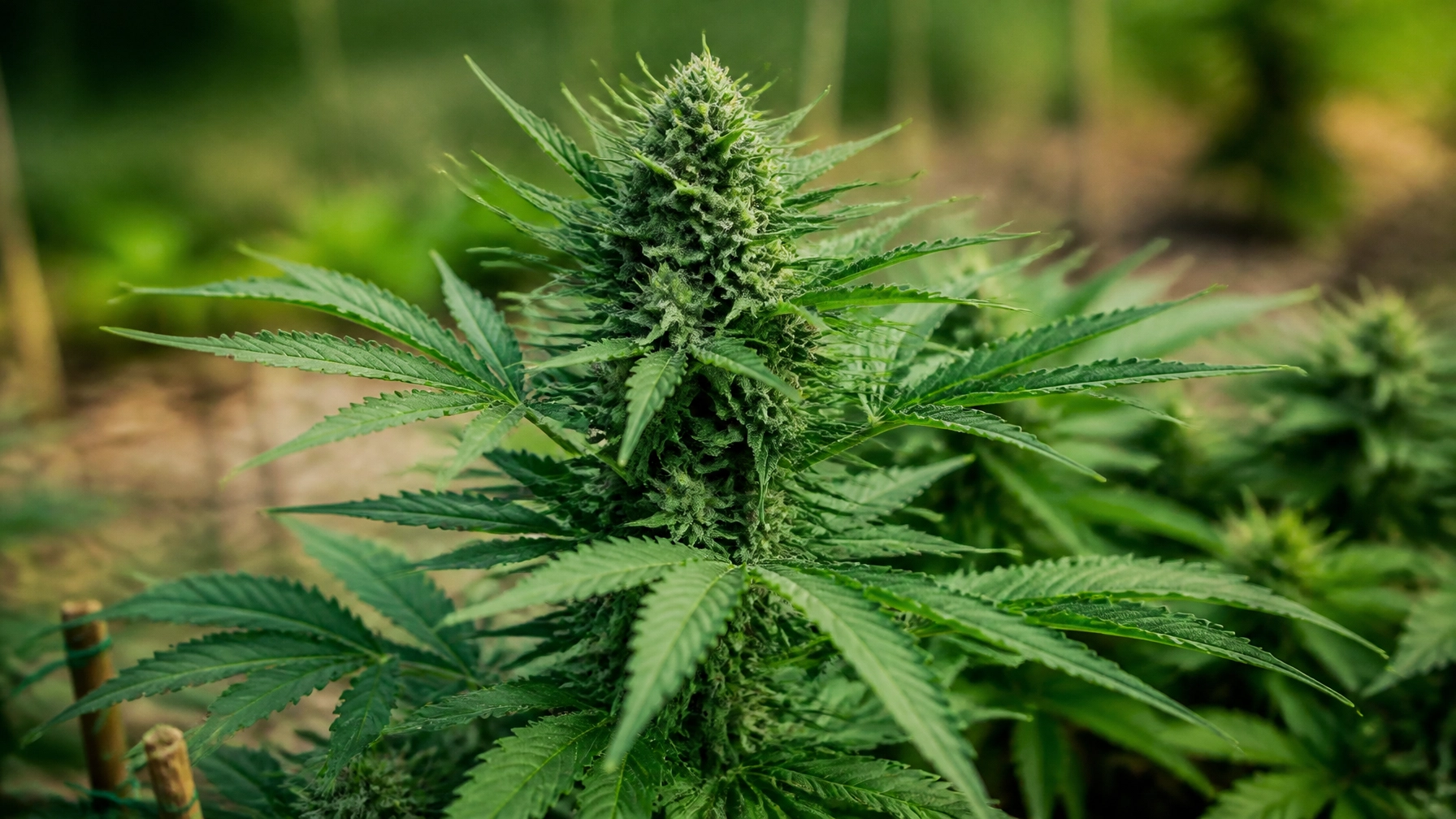
Welcome to our digital oasis, a space where curiosity meets clarity. At Green Grove Bud, we understand that navigating the world of cannabis can often feel like walking through a thick fog of misinformation. For decades, myths and legends have surrounded this ancient plant, often overshadowing the actual science that helps us understand its effects. Our mission is to foster a stigma-free environment where we can cultivate knowledge together, moving beyond the noise to find science-backed information that empowers you to make informed decisions about your wellness and lifestyle. Breaking cannabis myths isn't just about debunking old stories; it’s about creating a foundation of trust and transparency for our community. We believe that when we share accurate research, we help each other thrive in a culture of responsible use and sustainable living. In this exploration, we’re going to look at some of the most persistent myths through the lens of modern science, from the "gateway drug" theory to the botanical reality of Indica versus Sativa. By the end, we hope you feel more connected to the truth and more confident in your journey with this transformative plant.
The "Gateway Drug" Theory: Science vs. Stigma
One of the most enduring myths in cannabis culture is the idea that it acts as a "gateway drug." This theory suggests that using cannabis inevitably leads to the use of more dangerous or "harder" substances. For years, this was taught as an absolute truth, but modern scientific consensus tells a much more nuanced story. Research from institutions like the National Institute on Drug Abuse (NIDA) and the Institute of Medicine has found that while there is a statistical association between cannabis use and the use of other substances, there is no evidence of a direct causal link. In other words, using cannabis doesn't biologically "flip a switch" in the brain that forces someone to seek out other drugs.
When we look closer at the data, we see that social environment, genetics, and personal history play much larger roles than the plant itself. Often, the correlation exists because individuals who are prone to substance use may simply start with more accessible substances, which in many cases includes alcohol or tobacco long before cannabis. Furthermore, breaking cannabis myths regarding the gateway theory reveals a refreshing perspective: for many, cannabis actually serves as an "exit" drug. Some clinical studies suggest that cannabis can be a valuable tool for those looking to reduce their reliance on opioids or other pharmaceutical medications. By focusing on the community’s well-being and advocating for science-based education, we can move past these outdated scare tactics and focus on how responsible consumption can actually support a healthier lifestyle.
Does Cannabis Literally Kill Brain Cells?
If you grew up during the height of anti-cannabis campaigning, you likely saw commercials implying that cannabis "fries" your brain. This myth largely stems from a flawed 1970s study on primates that used extreme, unrealistic dosages. Today’s neuroimaging technology and long-term cohort studies tell a very different story. Current science shows that typical adult cannabis use does not literally kill brain cells or cause permanent structural damage to the brain. Instead, THC: the primary psychoactive compound: interacts with our endocannabinoid system, temporarily affecting how certain brain circuits communicate.
While it’s true that cannabis can cause acute, temporary impairment in short-term memory, coordination, and reaction time while you are under its influence, these effects generally resolve once the plant's compounds leave your system. It is important to note, however, that the adolescent brain is still developing until the mid-20s. During this critical growth period, heavy and chronic use can impact learning and memory. This is why we advocate for responsible consumption and why education is such a core part of our mission. We want our community to understand that while the "brain cell massacre" is a myth, being thoughtful about when and how you use cannabis is essential for long-term cognitive health.
The Indica vs. Sativa Debate: Beyond the Marketing
Most of us have been taught a simple rule: Sativa is for energy and creativity, while Indica is for relaxation and "couch-lock." While these terms are useful as a botanical shorthand for how the plant grows: Indicas are usually short and bushy, while Sativas are tall and thin: they are actually very poor predictors of how a specific product will make you feel. Breaking cannabis myths in this area is particularly transformative because it changes how we shop for and experience the plant.
Modern chemical analysis has revealed that many strains labeled as "Sativa" can have sedating chemical profiles, while some "Indicas" can be surprisingly uplifting. The actual "high" or therapeutic effect is determined by a complex interplay of cannabinoids (like THC, CBD, and CBG) and terpenes (the aromatic compounds that give cannabis its smell). For example, a strain high in the terpene myrcene is more likely to be sedating, regardless of whether it’s labeled as an Indica or Sativa. We encourage our readers to look past the labels and start paying attention to terpene profiles and lab results. This science-backed approach allows you to cultivate a more personalized and predictable experience, moving away from marketing tropes and toward actual botanical truth.
Can You Overdose on Cannabis?
The word "overdose" often carries a very heavy, frightening connotation associated with life-threatening respiratory failure. In the context of cannabis, it is scientifically accurate to say that a fatal overdose is virtually impossible for a healthy adult. This is because the brainstem areas responsible for controlling our breathing do not have a high density of cannabinoid receptors. Unlike opioids or alcohol, cannabis doesn't shut down the body's vital life-support systems.
However, it is a myth that you can't "take too much." Overconsumption: often called "greening out": is a real and deeply uncomfortable experience. It can lead to intense anxiety, paranoia, increased heart rate, and nausea. This is particularly common with edibles, which take much longer to kick in and can have much stronger effects than expected.
When we learn how to make edibles at home, it’s crucial to understand dosing and patience. Because our community values safety and informed decisions, we always recommend the "low and slow" approach. Science tells us that our bodies process ingested THC differently than inhaled THC, turning it into a more potent compound called 11-hydroxy-THC. By respecting the plant and understanding our own biology, we can ensure that our experiences remain positive and refreshing rather than overwhelming.
All Cannabis Is Not Created Equal
Another common misconception is that all cannabis produces the same general effect, just at different strengths. In reality, the diversity of the cannabis plant is unparalleled. Beyond just THC, there are over 100 minor cannabinoids and hundreds of terpenes that work together in what scientists call the "entourage effect." This means that the whole plant provides a different, often more balanced experience than isolated compounds.
This is also where sustainability and eco-friendly practices come into play. The way a plant is grown: its soil, its light, and its environment: affects its final chemical makeup. At Green Grove Bud, we advocate for sustainable cultivation because we know that a healthy, natural environment produces a more complex and high-quality profile. When we support ethical growing practices, we aren't just helping the planet; we’re ensuring that the information and products we share are of the highest integrity.
Cultivating a Future Rooted in Truth
Breaking cannabis myths is a collective effort. Every time you choose to look at the research or share a science-backed fact with a friend, you are helping to dismantle the stigma that has held this community back for far too long. We are proud to be your partner in this journey, providing a digital oasis where education and culture thrive together.
As the industry evolves, so will our understanding of this remarkable plant. We promise to stay at the forefront of that evolution, bringing you the latest research and advocate for the social responsibility and eco-friendly practices that define our values. Together, we can foster a world where cannabis is understood, respected, and used to enhance our lives in thoughtful and transformative ways. Thank you for being a part of our community and for your commitment to the truth. Stay curious, stay informed, and let’s continue to cultivate a brighter, stigma-free future.