

As we navigate the mid-2020s, the cannabis industry is undergoing a transformative shift. We’ve moved past the initial excitement of legalization and are now asking tougher, more thoughtful questions about how our favorite plant is grown. At Green Grove Bud, we believe that the soul of the plant starts in the soil. You might have noticed the term "regenerative" popping up on dispensary shelves or in our community discussions, but does it really matter in 2026? Or is it just another marketing buzzword designed to make us feel better about our purchases? Today, we’re stepping onto the Grove Buddy Soapbox to dive into the science-backed reality of regenerative agriculture. We’re exploring why these eco-friendly practices are not just a "nice-to-have" but an essential evolution for a sustainable future. By the end of this deep dive, you’ll understand how living soil impacts everything from the planet’s carbon levels to the flavor of your evening puff.
Beyond the "Organic" Label: What Regenerative Really Means
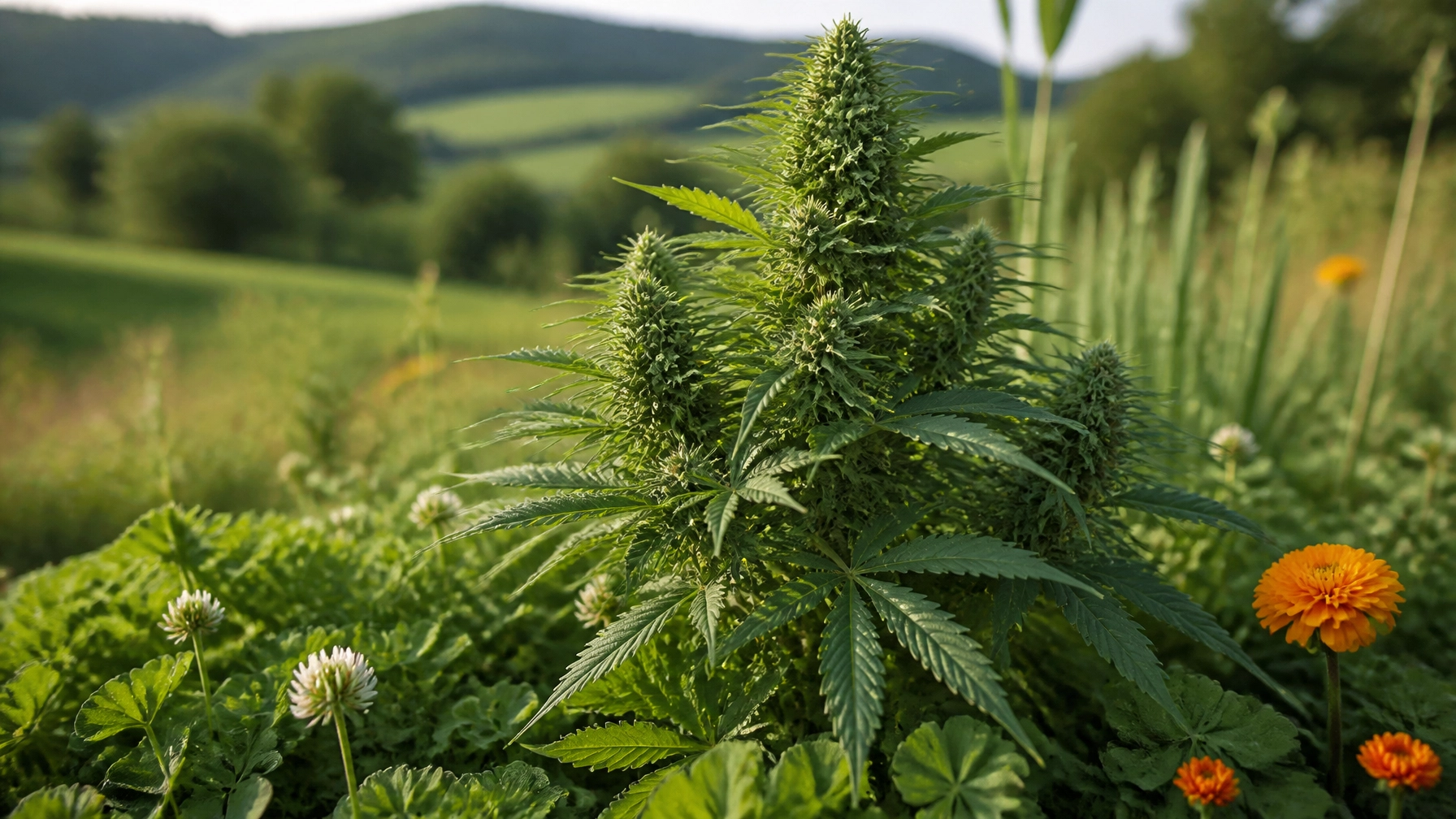
For years, "organic" was the gold standard. It told us what wasn't in our bud: no synthetic pesticides, no harsh chemical fertilizers. But as we’ve learned more about ecosystem health, we’ve realized that simply avoiding the "bad stuff" isn't enough to help the planet thrive. Regenerative farming is a holistic philosophy that aims to leave the land better than we found it. It’s about building soil health, increasing biodiversity, and restoring the natural water cycle. In 2026, regenerative cannabis is less about a checklist of prohibited substances and more about a proactive partnership with nature. We aren't just growing plants; we’re cultivating a whole ecosystem. This means utilizing cover crops like clover to fix nitrogen naturally, incorporating livestock for natural fertilization, and never tilling the earth, which preserves the delicate underground networks that plants rely on. It’s a refreshing departure from the industrial, extractive models of the past, and it’s a mission we are incredibly passionate about sharing with our community.
The Magic of Living Soil: Why Your Bud Tastes Better
If you’ve ever wondered why sun-grown, regeneratively raised flower often feels "fuller" or more complex, the answer lies in the living soil. Traditional indoor grows often use inert media like rockwool or coco coir, where plants are "spoon-fed" liquid nutrients. While this can produce high THC numbers, it often misses the nuance provided by a complex soil biome. Living soil is a bustling metropolis of bacteria, fungi, protozoa, and nematodes. When these organisms interact with the roots, they help the plant access a wider spectrum of minerals and micronutrients. This synergy leads to unparalleled terpene profiles. Terpenes are the aromatic compounds responsible for that refreshing citrus scent or the deep, earthy musk of your favorite strain. Research has shown that plants grown in biologically active environments produce a more robust and diverse array of these compounds. Whether you’re interested in cannabis pairings for your next dinner party or just want a smoother smoke, the quality of the soil is your best indicator of a transformative experience.
Microbes and Mycelium: The Silent Workers
Deep beneath the surface, a silent network of mycelium: fungal threads: acts like a biological internet. These fungi trade water and phosphorus for the sugars the cannabis plant produces through photosynthesis. This isn't just a fun science fact; it’s a vital part of plant resilience. In a regenerative system, these silent workers protect the plant from pathogens and drought. By fostering these relationships, we reduce the need for external inputs, making the whole process more eco-friendly. When you choose bud grown this way, you’re supporting a system that values the intricate balance of life. This stigma-free approach to cultivation acknowledges that nature usually knows best, and our job is simply to facilitate its brilliance.
Carbon Sequestration: Smoking for the Planet?
One of the most pressing reasons regenerative farming matters in 2026 is its role in the fight against climate change. The cannabis industry, particularly large-scale indoor operations, has historically had a significant carbon footprint due to high energy and water usage. However, regenerative outdoor and greenhouse farms are flipping the script. Through a process called carbon sequestration, healthy soil actually pulls carbon dioxide out of the atmosphere and stores it in the ground as organic matter. Because regenerative farmers don’t till their soil, that carbon stays put. In 2026, we’re seeing the emergence of carbon-negative cannabis brands that are actually helping to cool the planet. This isn't just theory; it’s science-backed information that empowers us to make informed decisions. When we talk about sustainability at Green Grove Bud, we aren't just talking about recycling our packaging: though that’s important too. We’re talking about a fundamental shift in how we relate to the atmosphere and the earth. Choosing regeneratively grown products is a powerful way to vote for a cooler, greener future with your wallet.
Economic Resilience and the Small Farmer
The beauty of regenerative practices isn't just environmental; it’s social. By reducing the need for expensive, synthetic, store-bought nutrients and pesticides, regenerative farming helps lower the barrier to entry for small-scale, craft producers. This is a core pillar of our "Grove Buddy Soapbox" campaign: advocating for a diverse industry where small, community-minded farmers can thrive alongside larger players. These farmers are often the stewards of unique, heirloom genetics that might otherwise be lost in a homogenized, industrial market. Supporting these growers ensures that our cannabis culture remains vibrant and varied. It fosters a sense of partnership between the consumer and the producer, breaking down the cold barriers of traditional retail. When you know your farmer is using the same land to graze cattle or grow vegetables, you’re looking at a model of true local resilience. This is the kind of thoughtful agriculture that builds strong communities and ensures that cannabis knowledge and high-quality bud remain accessible to everyone.
How to Spot Truly Regenerative Flower in 2026
So, how do you actually find this "beyond organic" bud? In 2026, several certifications have gained prominence to help consumers cut through the noise. Look for labels like "Regenerative Organic Certified" (ROC) or the "Sun+Earth" seal. These certifications ensure that the farm meets strict standards for soil health, animal welfare, and social fairness. Beyond labels, look for transparency. Truly eco-friendly brands are proud of their practices and will often share details about their cover crops, composting methods, and water conservation efforts on their websites. You might also notice that regeneratively grown flower often has a slightly different aesthetic: it might not always be the "brightest" neon green, but it will have a visible richness and a sticky, resinous coating that speaks to its nutrient density. If you're planning to design a cannabis-friendly garden lounge, consider sourcing your flower from these types of producers to truly align your environment with your values.
Joining the Green Grove Movement
At Green Grove Bud, our mission is to cultivate a community that values education, sustainability, and responsible use. We believe that by sharing these science-backed insights, we can all make choices that benefit our well-being and the health of our planet. Whether you’re a seasoned enthusiast or someone new and curious, understanding the impact of regenerative farming is a step toward a more mindful relationship with this incredible plant. We invite you to explore our other resources, like our guide to making perfect cannabis edibles at home, to continue your journey of learning. Does regenerative farming matter in 2026? Absolutely. It is the foundation of a resilient, ethical, and high-quality cannabis industry. Together, we can foster a future where our passion for the plant goes hand-in-hand with our commitment to the earth. Let’s keep growing, learning, and thriving together in this digital oasis we call home.