


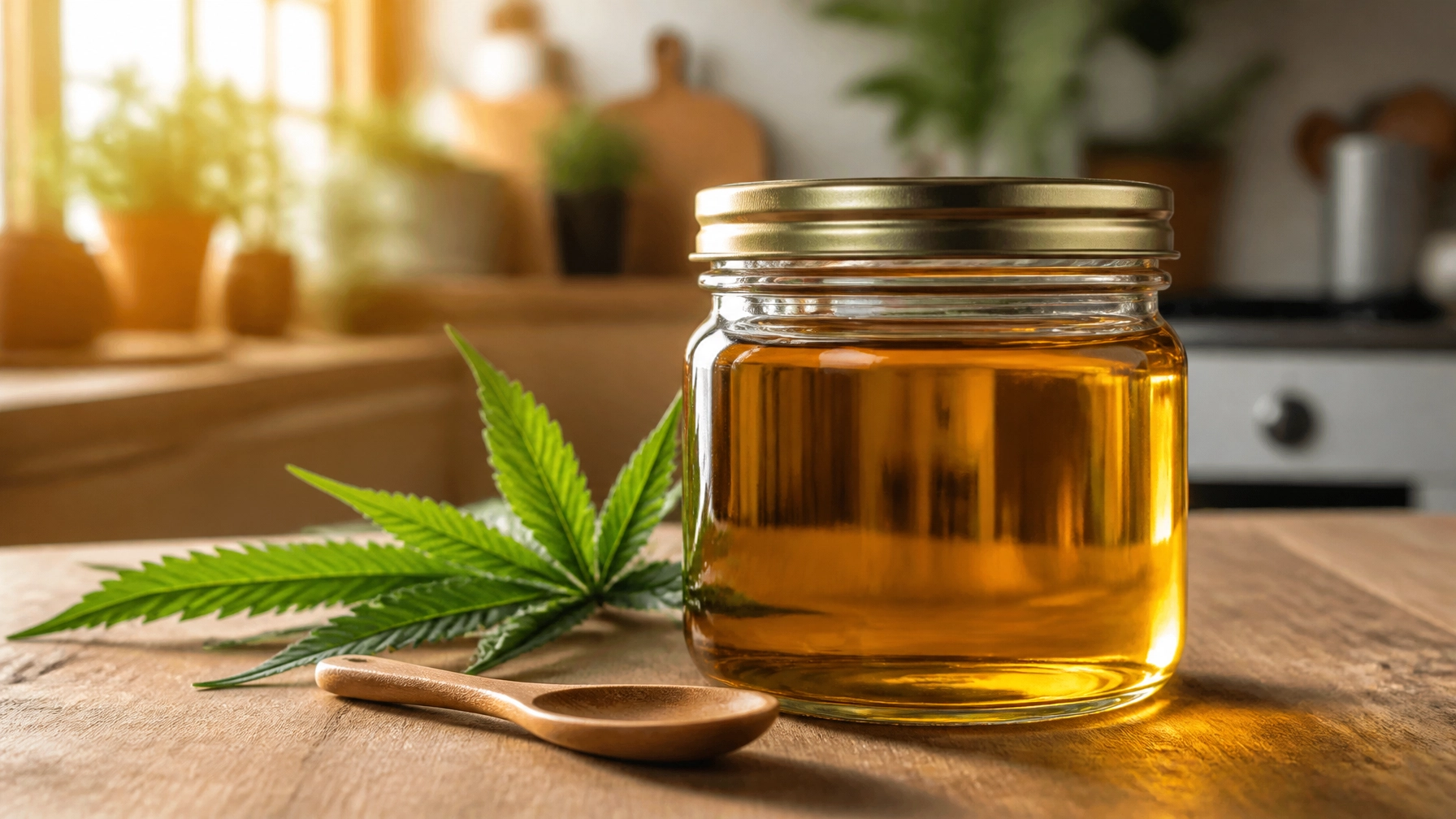
Welcome to our digital oasis for cannabis curiosity and conscious living. At Green Grove Bud, we believe that education is the ultimate tool for empowerment, especially when it comes to the art of creating your own wellness products. Learning how to make cannabis-infused cooking oils at home is a transformative step toward a more sustainable, self-sufficient lifestyle. By mastering this process, you gain full control over your ingredients, potency, and the environmental footprint of your cannabis journey. Our goal is to provide you with a science-backed, stigma-free roadmap to crafting high-quality infusions that respect both the plant and your body. In this guide, we will explore the molecular shifts required to activate your flower, the nuances of choosing the right carrier fats, and the precise techniques needed to ensure your kitchen remains a safe and productive space for exploration.
Starting with Quality: The Foundation of Every Infusion

Every exceptional infusion begins with the flower. To truly thrive in your culinary experiments, we recommend starting with responsibly sourced, lab-tested cannabis. Understanding the terpene profile and cannabinoid content of your starting material allows you to make informed decisions about the final effect of your oil. Whether you are looking for the relaxing embrace of myrcene-rich indica or the uplifting clarity of a limonene-heavy sativa, the quality of your flower determines the quality of your experience. As we advocate for sustainable practices throughout the industry, we encourage our community to look for cultivators who prioritize organic soil and eco-friendly growing methods. A clean flower yields a clean oil, free from the harsh chemical aftertastes often found in mass-produced alternatives. By selecting flower that has been cured properly, you are already halfway to an unparalleled homemade edible experience.

The Chemistry of Activation: Decarboxylation Explained

If you were to simply eat raw cannabis flower, you would likely find the effects underwhelming. This is because the plant produces cannabinoids in their acidic forms: THCA and CBDA: which are non-psychoactive. To convert these molecules into the THC and CBD that we know and love, we must apply heat in a process known as decarboxylation. Science-backed research indicates that this molecular shift involves removing a carboxyl group, which is released as carbon dioxide. For a successful home infusion, we must strike a delicate balance: enough heat to activate the cannabinoids, but not so much that we vaporize the precious terpenes that provide flavor and therapeutic nuance. We suggest preheating your oven to 240°F (115°C). Spread your ground cannabis in a thin layer on a parchment-lined baking sheet and bake for 30 to 40 minutes. This precise window of time and temperature ensures a transformative conversion while preserving the essence of the plant. It is this thoughtful attention to detail that helps us break down myths about "mysterious" edible potencies and replace them with predictable, science-led results.
Selecting the Ideal Carrier Oil for Bioavailability
The next crucial step in learning how to make cannabis-infused cooking oils at home is choosing your vehicle. Cannabinoids are lipophilic, meaning they are "fat-loving" and dissolve most efficiently in oils. However, not all fats are created equal. Coconut oil is a favorite in our community because of its high saturated fat content, which provides an excellent binding surface for THC and CBD. Specifically, MCT oil (fractionated coconut oil) is frequently highlighted in science-backed research for its superior bioavailability. Because MCTs are processed differently by the liver, they can lead to faster absorption and more consistent effects. If you prefer a more traditional culinary approach, extra-virgin olive oil is a refreshing choice for savory dishes and salad dressings, though it has a lower saturated fat content than coconut oil. By understanding the lipid profiles of your oils, you can tailor your infusions to match your lifestyle, whether you’re looking for a quick-acting sublingual or a slow-release ingredient for your favorite baked goods.
Mastering the Infusion Process: Step-by-Step

Once your flower is decarboxylated and your oil is selected, it is time for the infusion. This stage is where we foster the deep connection between the plant material and the fat. We recommend a slow-and-steady approach to prevent degradation. Using a double boiler or a slow cooker is the most effective way to maintain a stable, low temperature. Our preferred ratio for a versatile, moderately potent oil is approximately 7 to 10 grams of flower per 1 cup of oil. Combine your decarboxylated cannabis and oil in your vessel and maintain a temperature between 160°F and 190°F for two to three hours. Stir occasionally to ensure even distribution. Avoid letting the mixture boil, as excessive heat can lead to a bitter taste and the breakdown of cannabinoids. This communal kitchen ritual is not just about the final product; it’s about the patient cultivation of a craft. After the infusion time is complete, strain the mixture through a fine-mesh sieve or cheesecloth into a clean glass jar. Be gentle when straining: squeezing the cheesecloth too hard can introduce excess chlorophyll, which adds a heavy "grassy" flavor that many find unappealing.

Potency and Responsible Consumption
One of the most important aspects of our mission at Green Grove Bud is promoting responsible consumption. Homemade oils can vary significantly in strength depending on the potency of your flower and the efficiency of your infusion. To calculate a rough estimate of your oil’s strength, you can use a simple formula: (Grams of flower x 1000) x (THC percentage) x (0.8 efficiency factor) / (Number of teaspoons/tablespoons of oil). For example, if you use 10 grams of 20% THC flower in 1 cup of oil, your total batch might contain around 1,600mg of THC. With 16 tablespoons in a cup, that’s 100mg per tablespoon. Always start with a very low dose: perhaps half a teaspoon: and wait at least two hours to gauge the effects before consuming more. This cautious approach allows you to make informed decisions and enjoy the benefits of your hard work without feeling overwhelmed. Our community hub is a great place to share your experiences and learn from others who are also navigating the nuances of home dosing.
Sustainable Storage and Social Responsibility

To ensure your infusion stays fresh and potent, storage is key. We advocate for the use of glass containers over plastic to reduce environmental waste and prevent chemical leaching. Store your infused oil in a cool, dark place, such as a pantry or refrigerator, to protect it from light and heat, which are the primary enemies of cannabinoid stability. Properly stored, your cannabis-infused cooking oil can last for several months. Labeling your jars clearly with the date, the strain used, and the estimated potency is a vital part of a safe, stigma-free household. As we look toward a future of broader cannabis acceptance, practicing social responsibility in how we handle and store our products is essential. By being transparent and organized, we demonstrate that cannabis use can be a sophisticated, thoughtful, and safe part of a healthy lifestyle.

Cultivating a New Way of Life
Mastering the skill of how to make cannabis-infused cooking oils at home is more than just a kitchen hack; it is a way to reclaim your relationship with plant medicine. We hope this guide has provided you with the clarity and confidence to begin your own infusion journey. By combining science-backed information with a passion for sustainability and community, we can all contribute to a more positive and informed cannabis culture. Whether you are drizzling your oil over a farm-to-table dinner or using it to create soothing topicals, you are now part of a growing movement of people who value quality, transparency, and the transformative power of nature. We invite you to continue exploring our digital oasis for more guides, expert insights, and stories that celebrate the intersection of cannabis, culture, and wellness. Let us thrive together as we cultivate a deeper understanding of this incredible plant.