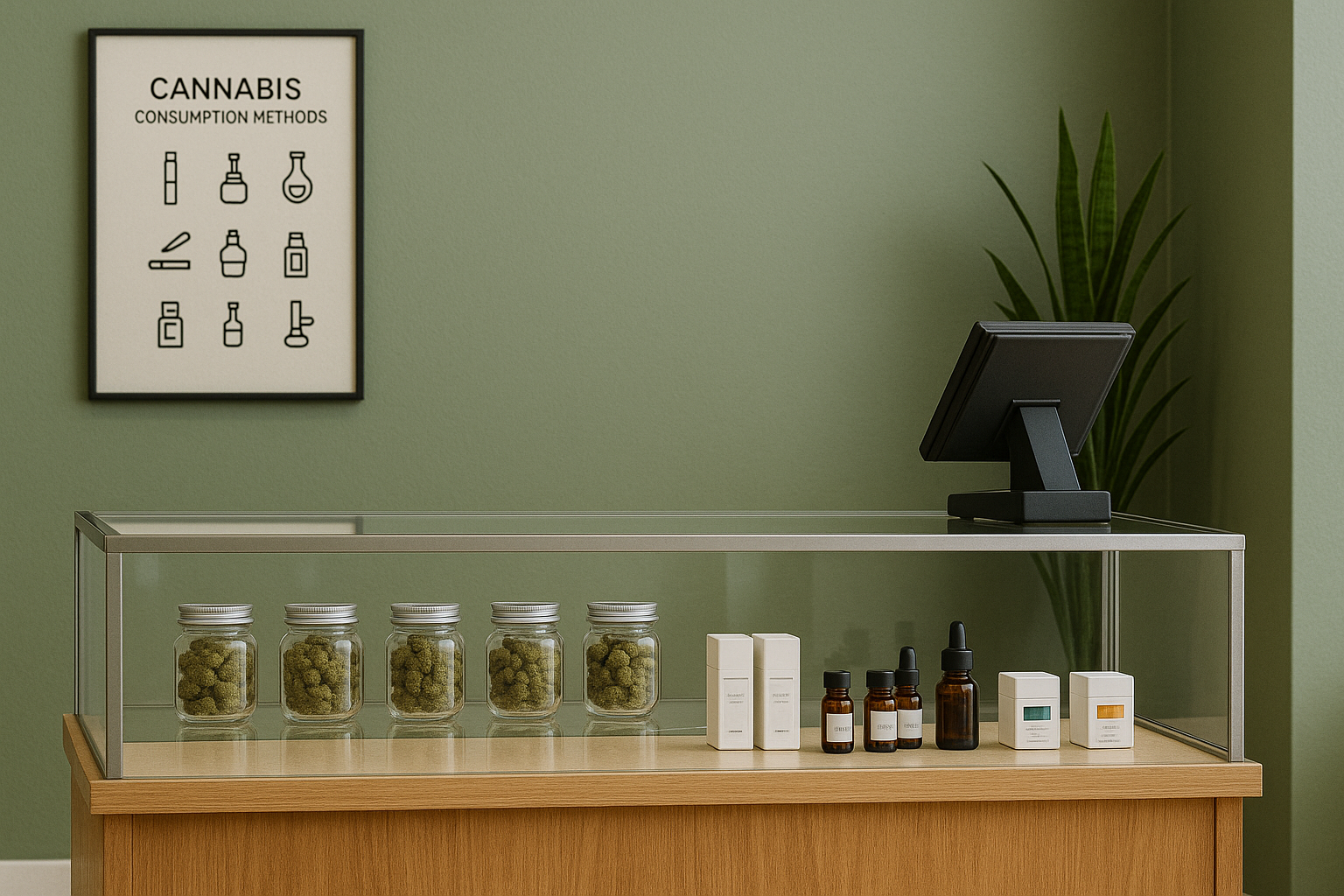


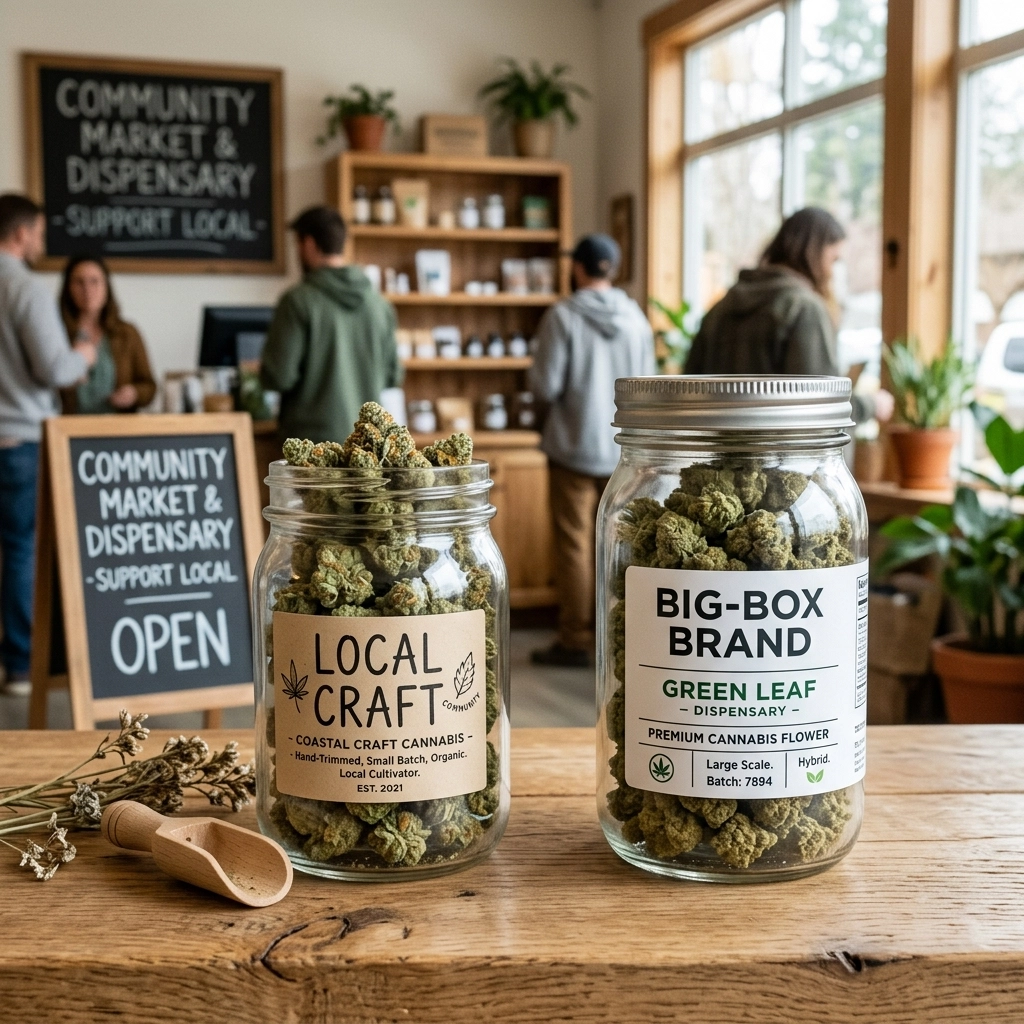
Welcome back to the Grove Buddy Soapbox! Today, we’re diving into a conversation that sits right at the heart of our mission here at Green Grove Bud. If you’ve spent any time in a dispensary lately, you’ve probably noticed the sheer volume of choices. It’s overwhelming, right? On one shelf, you have the sleek, mass-produced jars from massive multi-state operators (MSOs), and on the other, you have the humble, often more colorful packaging of a local craft grower. It’s a classic David vs. Goliath scenario, but instead of stones, we’re talking about terpenes, economics, and ethics. As we navigate the ever-evolving landscape of cannabis education, it’s vital to ask: when you tap that "buy" button or hand over your cash, where is that money actually going? Is it feeding a corporate machine, or is it nourishing the community you live in? Let’s break down the science, the sustainability, and the social impact of craft versus big-box cannabis.
Understanding the Craft Cannabis Philosophy
When we talk about "craft" cannabis, we aren't just using a trendy marketing term. In the world of sustainable cannabis practices, craft refers to cultivation that prioritizes quality over quantity. It’s about small-batch production where every plant receives individual attention. Think of it like a community garden versus a massive industrial cornfield. Craft growers often focus on unique genetic profiles, heritage strains, and organic inputs. This isn't just for "snob" appeal; it’s about preserving the biological diversity of the plant. Big-box cannabis, by contrast, is designed for scalability. To keep costs low and output high, these massive facilities often rely on automation, synthetic nutrients, and a "one-size-fits-all" approach to harvesting. While this makes cannabis more affordable for some, it often comes at the cost of the plant’s complex chemical profile.

The Economic Ripple Effect: Keeping Dollars Local
One of the most compelling arguments for supporting craft cannabis is the direct impact on your local economy. When you buy from a craft grower located in your state or even your county, a significant portion of that money stays within the community. It pays for local labor, supports local specialized trades (like HVAC technicians or organic soil suppliers), and contributes to local tax revenue that funds schools and roads. Big-box cannabis companies are often headquartered far away, sometimes even in different countries. The profits generated in your town are frequently funneled back to corporate headquarters or distributed to distant shareholders. By choosing craft, you are effectively voting for community resilience. You are helping a neighbor keep their lights on rather than helping a CEO buy a third vacation home. This is a core pillar of policy reform: ensuring that the "green rush" doesn't just benefit the few, but fosters a thriving ecosystem for the many.

Sustainable Cannabis Practices: The Environmental Footprint
Let's get into the science of sustainability. Large-scale commercial grows are energy-intensive beasts. To maintain consistency across tens of thousands of square feet, big-box facilities often rely on massive HVAC systems and high-intensity lighting that run 24/7. The carbon footprint of a single gram of mass-produced indoor cannabis can be surprisingly high. Craft growers, however, are often at the forefront of sustainable cannabis practices. Because they operate on a smaller scale, they have the flexibility to implement regenerative farming techniques. This might include using living soil: a complex ecosystem of microbes and fungi that eliminates the need for synthetic fertilizers: or utilizing sun-grown or greenhouse methods that drastically reduce electricity consumption. Furthermore, craft producers are more likely to use eco-friendly packaging, moving away from the "ocean of plastic" that characterizes many big-box brands. When we talk about cannabis education, we have to talk about the earth. A healthy community requires a healthy environment, and craft growers are often the stewards of that balance.
Quality Control and the Science of Terpenes
If you’ve ever opened a jar of big-box bud only to find it dry, brittle, and smelling faintly of hay, you’ve experienced the downside of industrial processing. Mass production often involves machine trimming, which can be brutal on the plant. Those tiny, sparkling crystals on the flower: the trichomes: are where the cannabinoids and terpenes live. Machine trimming knocks these off, essentially stripping the flower of its potency and flavor. Craft cannabis is almost always hand-trimmed. This labor-intensive process ensures that the flower remains intact, preserving the "entourage effect" where all the plant's compounds work together to provide a more nuanced experience. Through careful curing: a process that can take weeks in craft circles but is often rushed in industrial settings: small-batch growers allow the chlorophyll to break down and the terpenes to mature. The result? A smoother smoke and a more effective medicine.

Breaking Down Myths: Is Big-Box Ever Better?
In the interest of full transparency and informed decisions, it’s worth noting that big-box cannabis does serve a purpose in the current market. The primary advantage is accessibility and price. For many medical patients on a fixed income, the lower price point of mass-produced flower is the only way they can afford their treatment. Additionally, large corporations often have the capital to invest in rigorous third-party testing and standardized manufacturing for products like tinctures and soft gels, ensuring a consistent dose every single time. However, as our community matures, we have to ask if this consistency is worth the loss of diversity and the environmental toll. Our goal at Green Grove Bud is to foster a stigma-free environment where we can discuss these trade-offs openly. We believe that through better policy reform, we can make craft cannabis just as accessible and affordable as the big-box alternatives.
Social Equity and Policy Reform
The "Grove Buddy Soapbox" is a place where we advocate for a fairer industry. Often, the barriers to entry in the cannabis market are incredibly high, requiring millions of dollars in liquid capital. This naturally favors "Big Cannabis." When we support craft growers, we are often supporting the small business owners, women, and people of color who have fought through red tape to get a license. Many craft operations are the direct result of social equity programs designed to repair the harm caused by the War on Drugs. By choosing to buy from these producers, you are participating in a form of social justice. You are helping to ensure that the people most impacted by past prohibition are the ones benefiting from the current legal market. This isn't just about weed; it's about building a more equitable society where the "little guy" has a fair shot at success.
How to Spot Craft in the Wild
So, how do you actually identify craft cannabis when you’re standing at the counter? First, look for information about the farm. Does the brand tell a story? Do they mention "living soil," "sun-grown," or "hand-trimmed"? These are usually green flags. Second, look at the harvest date and the terpene profile. Craft growers are usually proud of their stats and will list more than just the THC percentage. Third, check the packaging. Is it glass or compostable paper, or is it a giant plastic tub? Finally, don't be afraid to ask your budtender. A knowledgeable budtender should be able to tell you which brands are locally owned and which are owned by a multinational conglomerate. Remember, cannabis education is a journey, and every question you ask helps build a more transparent industry.
Cultivating a Thriving Future Together
At the end of the day, the choice between craft and big-box is about the kind of world you want to live in. Do you want a world of generic, high-speed consumption, or do you want a world where quality, community, and the environment are prioritized? We believe that the future of cannabis is local. By supporting small-scale growers, we cultivate a culture of care and respect for the plant that mass production simply cannot replicate. We foster connections between the person who grew the flower and the person who consumes it, creating a "digital oasis" of shared values. Let’s continue to push for sustainable cannabis practices and policy reforms that protect our local heroes.
Thank you for joining us on this edition of the Grove Buddy Soapbox. Whether you’re a long-time enthusiast or just starting your journey into cannabis education, remember that your choices have power. Let's keep the conversation going, keep learning, and keep growing together. Stay green, stay informed, and most importantly, stay connected to your community. We’re all in this together, and by making thoughtful decisions today, we ensure a more vibrant, diverse, and sustainable cannabis culture for tomorrow. Stay tuned for our next deep dive into the science of the plant and the policies that shape our world!