


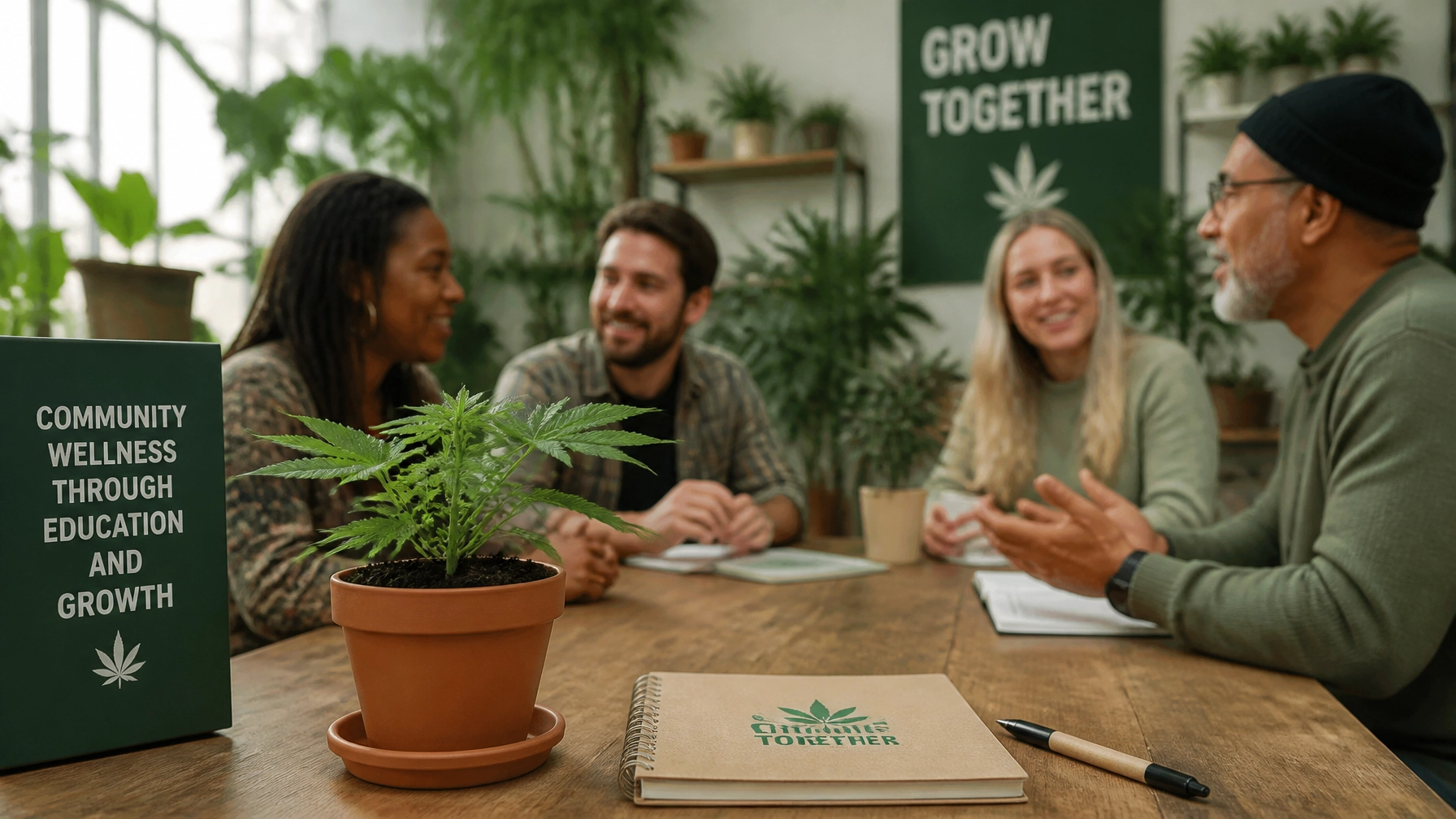
Welcome to the latest edition of Sonny’s "Grove Buddy Soapbox." If you’ve been following our journey at Green Grove Bud, you know we view this platform as more than just a source of information; it’s a digital oasis for anyone looking to navigate the complex, evolving world of cannabis with clarity and compassion. Today, we’re stepping up to the soapbox to talk about a topic that sits at the very heart of our mission: supporting social equity in cannabis. For a long time, the conversation around legalization was focused purely on "when" and "where." But as we move forward together, the most important question has become "who": specifically, who gets to participate in this new era and how do we repair the damage done by decades of prohibition? At Green Grove Bud, we believe that a truly flourishing cannabis culture must be built on a foundation of justice, sustainability, and community education. In this beginner’s guide, we’re going to break down the big concepts of policy reform and restorative justice in cannabis reform so you can feel empowered to help cultivate a fairer future for everyone.
Decoding Social Equity: More Than Just a Buzzword

When you hear the term "social equity," it can sometimes feel like a heavy, academic phrase. But in the world of cannabis, it’s actually a very simple, science-backed concept: it’s about justice and fairness in public policy. For decades, the "War on Drugs" disproportionately targeted marginalized communities, leading to systemic cycles of incarceration and economic hardship. As we transition into a legal market, social equity policies are the tools we use to ensure that the people most harmed by prohibition aren’t left behind while others thrive. We see social equity as a bridge between the past and a better future. It’s not just about giving out business licenses; it’s about creating a stigma-free environment where everyone has the opportunity to succeed. By prioritizing those who have been historically marginalized: including minority-owned businesses, women, veterans, and individuals with past cannabis-related convictions: we can foster a more diverse and resilient industry. This isn't just "good politics"; it's about building a community-centric ecosystem where we all grow together.

The Three Pillars of Restorative Justice
To understand how supporting social equity in cannabis actually works in practice, it helps to look at the three main pillars that guide most modern reform efforts. These pillars are designed to address the direct harms of the past while planting the seeds for a sustainable, inclusive industry.
1. Healing the Past: Criminal Justice Reform

The first and perhaps most urgent pillar is criminal justice reform. You can't have true equity without addressing the legal weight millions of people still carry due to past cannabis charges. This is where restorative justice in cannabis reform becomes tangible. One of the most effective tools in this category is the record expungement for cannabis convictions. Expungement means legally "erasing" or sealing past records so that a minor cannabis charge from ten years ago doesn't stop someone from getting a job, securing housing, or obtaining a loan today. In states like New York, the cannabis law includes provisions for automatic expungement, which is a massive step toward breaking down the barriers created by prohibition. Beyond just clearing records, advocates are also pushing for resentencing and the release of those still serving time for actions that are now legal. This is about more than just legal paperwork; it's about restoring dignity and opportunity to our neighbors and friends who have been unfairly sidelined for too long.

2. Building an Inclusive Future: Equitable Licensing

Once we address the legal barriers, the next step is making sure the doors to the new legal economy are actually open. This is where inclusive cannabis licensing comes into play. In many early-legalizing states, the cost of entering the industry was so high that only large, well-funded corporations could afford to participate. Social equity programs aim to change that by creating specific pathways for local, small-scale, and minority-owned businesses to get started. Many states now reserve a percentage of their licenses for Social Equity Applicants. For instance, New York’s Social and Economic Equity (SEE) program has set a goal for 50% of all adult-use licenses to go to equity groups. This includes not just license set-asides, but also lower-barrier license types like "microbusiness" licenses, which allow for smaller, craft-focused operations. By reducing application fees and providing technical training, these programs help ensure that the wealth generated by cannabis stays within the communities that have been most impacted by its prohibition. It’s about cultivating a diverse garden where many different types of businesses can thrive, not just a few "big players."

3. Planting Seeds of Growth: Community Reinvestment
The final pillar is perhaps the most transformative: community reinvestment from cannabis taxes. For years, communities of color and low-income neighborhoods bore the brunt of aggressive policing. Now that cannabis is generating significant tax revenue, many advocates believe that a portion of that money should go directly back into those same neighborhoods to fund schools, healthcare, housing, and job training. New York is again a leading example here, mandating that 40% of adult-use tax revenue be invested back into communities harmed by the War on Drugs. This isn't just about the cannabis industry; it's about holistic healing and social responsibility. When we use the success of legalization to fund youth programs or local infrastructure, we are taking a stand for the long-term health of our society. It’s a way of ensuring that the "green rush" isn't just about profit, but about progress. At Green Grove Bud, we believe this type of ethical reinvestment is the only way to build a truly sustainable future for our culture.
Real-World Success Stories: Models of Change
It’s easy to talk about these concepts in the abstract, but seeing them in action is where the real inspiration happens. Several states have pioneered innovative ways to integrate equity into their legal frameworks, providing a roadmap for others to follow.
- Massachusetts: The Bay State was one of the first to implement a free statewide Social Equity Program. They provide comprehensive technical assistance and business training to people most impacted by the War on Drugs. This ensures that equity applicants don't just get a license: they get the knowledge and skills they need to run a successful, sustainable business.
- New Jersey: The Garden State has prioritized "Impact Zone" businesses: those located in or employing residents from areas with high rates of past cannabis arrests. By focusing on geographic and economic data, they are targeting their support toward the places that need it most.
- Oakland, California: At the local level, Oakland’s equity program was a trailblazer, requiring that a significant portion of dispensary permits go specifically to residents who had been arrested for cannabis in the past. This direct link between past harm and future opportunity is the essence of restorative justice.
Why Sustainability and Equity Go Hand in Hand
At Green Grove Bud, we often talk about the importance of eco-friendly practices and sustainable growth. You might wonder how environmentalism connects to social equity, but the two are actually deeply intertwined. Marginalized communities are often the most vulnerable to environmental degradation and lack of access to clean, green spaces. When we advocate for a sustainable cannabis industry, we are also advocating for the health of the communities that host these businesses. True sustainability means more than just using organic soil or reducing plastic waste (though those are vital!); it means creating a business model that is socially responsible and ethically sound. An industry that exploits its workers or excludes its neighbors isn't truly sustainable. By supporting social equity, we are supporting a more resilient, localized economy that can weather the challenges of the future while staying true to its roots.
How You Can Be an Advocate for Change

You don't have to be a lawyer or a politician to support social equity in cannabis. Every member of our community has the power to make an impact through their choices and their voice. Here are a few ways you can start today:

- Support Social Equity Brands: When you’re visiting a dispensary, ask the staff which products come from social equity license holders or minority-owned businesses. Your purchasing power is a direct way to support inclusive growth.
- Educate Your Circle: One of the biggest hurdles to reform is the lingering stigma from the prohibition era. By sharing science-backed information and breaking down myths about cannabis, you help create a safer, more welcoming space for everyone to learn.
- Stay Informed Locally: Policy reform often happens at the city and county levels. Keep an eye on local zoning laws or licensing debates in your area and speak up in favor of equitable access.
- Connect with the Community: Join groups that focus on restorative justice and drug policy reform. Platforms like ours are here to help you foster those connections and stay engaged with the mission.
We are all part of this collective experience, and by working together, we can ensure that the legal cannabis landscape is one where every person has the chance to thrive.
A Forward-Looking Vision for Our Green Oasis
As we look toward the future, we feel incredibly optimistic. The shift toward social equity and restorative justice isn't just a trend; it's a fundamental change in how we value people and planet. At Green Grove Bud, we will continue to provide the expert articles and community-focused education you need to make informed decisions and stay active in this movement. We believe that by breaking down the barriers of the past, we are opening up a world of unparalleled potential for wellness, creativity, and connection. Thank you for being a part of our "Grove Buddy Soapbox" and for joining us in this transformative journey. Let’s keep cultivating change, one conversation at a time.