

Welcome back to our digital oasis here at Green Grove Bud. If you’ve been following our latest series, you know we’re knee-deep in Sonny’s 'Grove Buddy Soapbox' campaign, where we’re pulling back the curtain on policy reform, community education, and: most importantly today: sustainability. As a community, we have a unique opportunity to cultivate a future that isn't just green in color but green in practice. Whether you’re a seasoned home grower or a conscious consumer, making informed decisions about your cannabis can have a massive ripple effect on our planet. We believe in breaking down myths and fostering a stigma-free environment where we can all grow together. Today, we’re looking at seven common mistakes people make when trying to go "eco-friendly" with their cannabis habits and how we can collectively pivot toward more transformative, sustainable practices.
1. Choosing Indoor Lighting Over the Power of the Sun
One of the most significant hurdles in cannabis education is the myth that high-quality flower can only come from high-intensity, fully indoor grow ops. While indoor environments offer control, they are incredibly energy-intensive, often relying on fossil-fuel-based electricity to power massive HVAC and lighting systems. According to science-backed studies on cannabis energy consumption, the carbon footprint of indoor cultivation can be staggering.
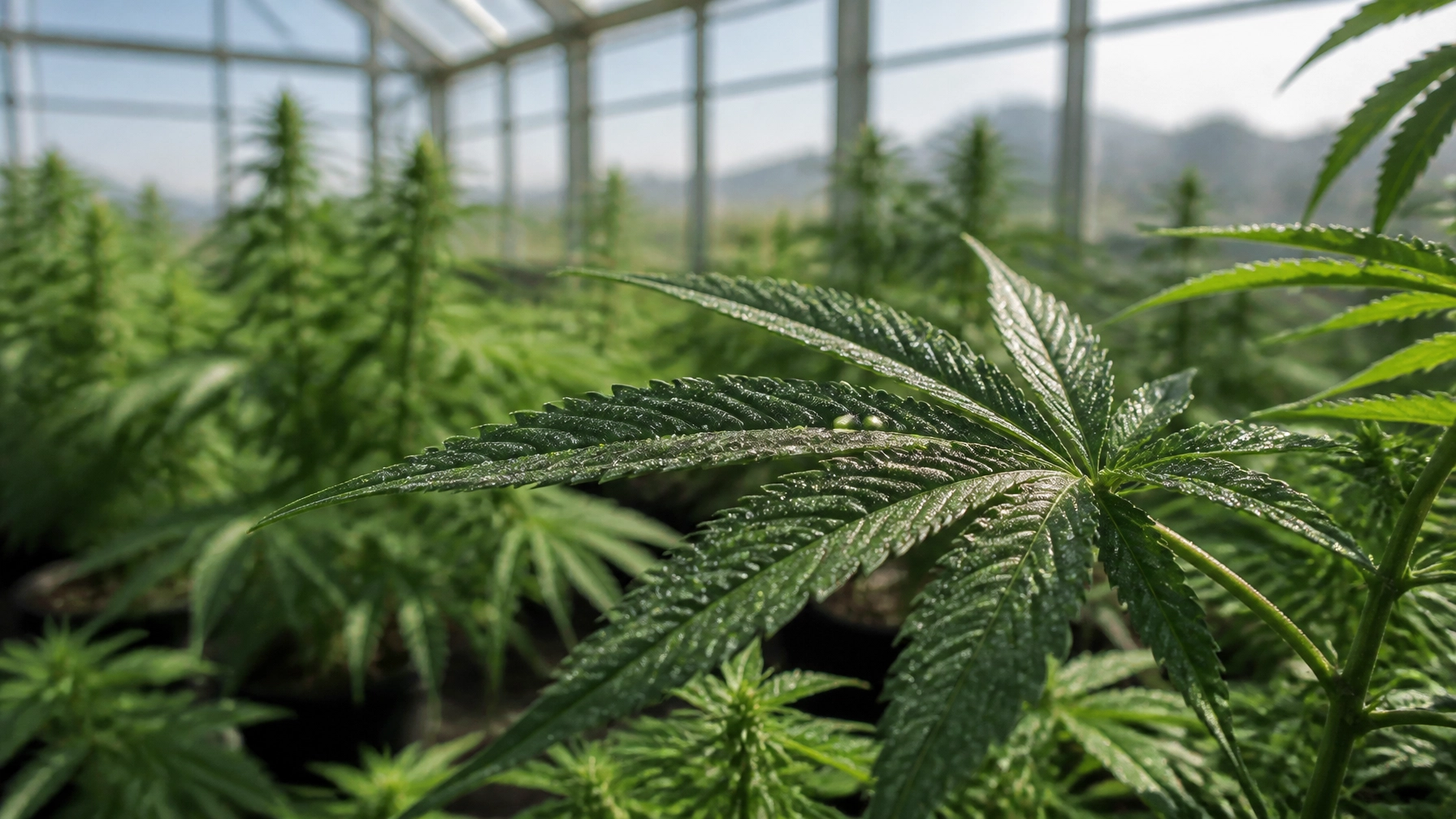
How to Fix It: Whenever possible, support or cultivate sungrown or greenhouse cannabis. Greenhouses utilize the unparalleled power of natural sunlight while providing the protection plants need. By choosing sungrown products, you’re supporting a cultivation method that works with nature rather than trying to replicate it at a high environmental cost.
2. Inefficient Irrigation and Water Overuse
Water is our most precious resource, yet it’s often mismanaged in the garden. A common mistake among new growers is treating water as an infinite resource, leading to runoff that can carry nutrients into local waterways. Overwatering doesn’t just waste water; it can also lead to root rot and diminished plant vitality.
How to Fix It: Implement drip irrigation and soil moisture monitoring. Drip systems deliver water directly to the root zone, minimizing evaporation and runoff. For those of us looking to thrive in a more circular economy, capturing HVAC condensate or rainwater (where legal) is a refreshing way to reuse resources and keep our gardens flourishing without putting unnecessary strain on municipal supplies.
3. Relying Solely on Synthetic Fertilizers
It’s easy to reach for the "blue liquid" nutrients for a quick boost, but heavy reliance on synthetic fertilizers can degrade soil biology over time and lead to chemical runoff. These synthetics are often derived from petroleum and don’t foster the long-term health of the soil ecosystem.
How to Fix It: Shift toward organic farming principles. Use compost, kelp meal, and beneficial microbes to build a living soil. This not only improves the flavor and terpene profile of your flower but also ensures your garden remains a healthy part of the local ecosystem. By cultivating "living soil," we foster a resilient environment where plants can truly thrive.
4. Falling for the Convenience of Disposables
In the world of cannabis consumption, convenience often comes at a cost. Single-use vape pens and disposable cartridges are becoming a major source of electronic and plastic waste. These items are rarely recyclable through standard curbside programs and often end up in landfills, where their batteries and residual oils can leak into the environment.
How to Fix It: Opt for rechargeable batteries and refillable systems. Look for brands that utilize biodegradable or easily recyclable packaging, like glass and tin. Many forward-thinking dispensaries are now offering take-back programs for used cartridges. Before you buy, ask your local budtender about the brand’s end-of-life plan for their products.
5. Overlooking Local Sourcing and Terroir
Just like the "farm-to-table" movement in food, the "farm-to-bowl" movement is essential for sustainability. Buying cannabis that has been shipped across state lines (where legal) or from distant regions increases the carbon footprint due to transportation. Furthermore, ignoring the local "terroir": the unique environment where the plant is grown: means missing out on the most natural expression of the plant.
How to Fix It: Support local cultivators and small-batch craft growers in your region. Locally grown cannabis often requires less packaging for transport and supports your local community’s economy. At Green Grove Bud, we advocate for the Sustainable Cannabis Coalition’s standards which emphasize local, ethical production. Connecting with your local growers is a powerful way to share knowledge and foster a community-centric culture.
6. Treating Harvest Waste as Trash
After the harvest, many growers simply bag up their stems, fan leaves, and root balls and toss them in the bin. This organic matter is a goldmine of nutrients that can be recycled back into the earth. When organic waste ends up in a landfill, it decomposes anaerobically and produces methane, a potent greenhouse gas.
How to Fix It: Start a cannabis-friendly compost pile! Fan leaves and stalks are excellent "green" and "brown" additions to a home compost system. By composting your garden waste, you’re creating a closed-loop system that reduces your need for outside inputs and enriches your soil for the next season. It’s a thoughtful, restorative practice that honors the entire lifecycle of the plant.
7. Staying Silent Instead of Advocating
The final mistake is believing that our individual choices don’t matter or that the industry will change on its own. Sustainability isn't just about what we buy; it's about the policies we support and the myths we choose to break. If we don’t ask for transparency, brands won't feel the pressure to provide it.
How to Fix It: Use your voice. Join the conversation on the 'Grove Buddy Soapbox' and demand better standards from the brands you love. Ask about their water usage, their energy sources, and their commitment to social responsibility. By making informed decisions and sharing that knowledge with your friends and family, we can cultivate a stigma-free, eco-conscious culture that sets an unparalleled standard for the future of cannabis.
Together, we can transform the way we interact with this plant. By fixing these common mistakes, we’re not just improving our own gardens or consumption habits: we’re helping the entire cannabis community thrive. Let’s continue to connect, learn, and grow toward a more sustainable tomorrow.