

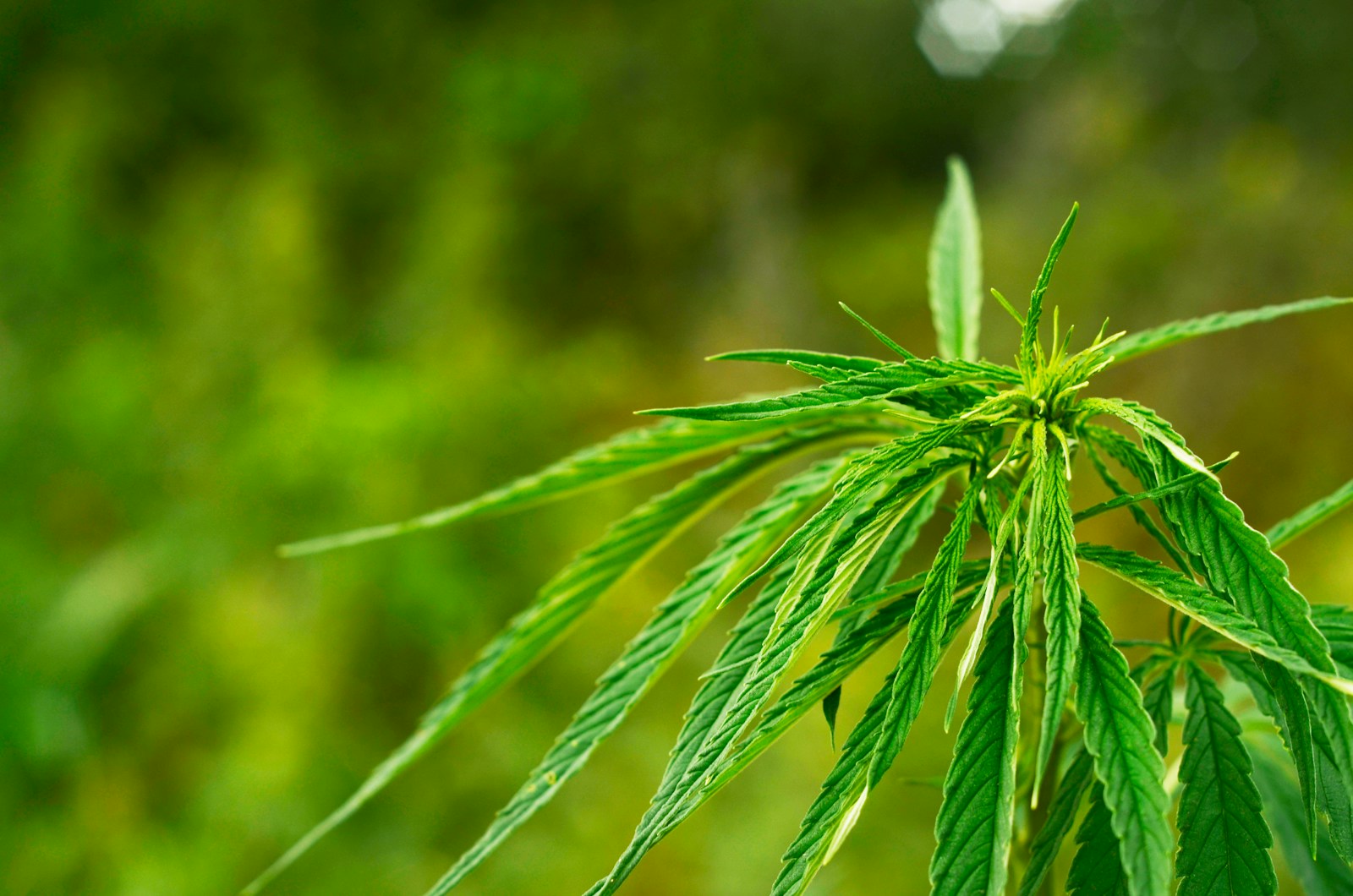
The Indica/Sativa Myth is Holding Us Back
Walk into any dispensary and you’ll see products labeled “indica” or “sativa” lining the shelves. These labels have been marketing mainstays for decades, but they are outdated and misleading. In fact, clinging to the indica/sativa dichotomy is doing a disservice to customers. The old rule of thumb claims sativas give an energizing “head high” while indicas induce a sedating “body high.” In reality, virtually all modern cannabis is hybridized, rendering those pure indica or pure sativa categories effectively meaningless.
Decades of crossbreeding mean a strain advertised as a “sativa” might actually carry indica-dominant genetics upon analysis. This isn’t just an opinion – genetic research confirms no clear separation between what growers sell as indicas or sativas. One scientific study bluntly found “indica” and “sativa” labels are largely meaningless, with many strains labeled indica being just as closely related to those labeled sativa as to other indicas. In other words, the cannabis industry has been peddling a simplistic dichotomy that doesn’t reflect botanical or chemical reality.
Chemistry Over Folklore: What Really Determines Effects
If “indica” vs “sativa” doesn’t truly predict how a strain will make you feel, what does? The answer lies in chemical profiles – the cannabinoids and terpenes in each cultivar. Cannabis contains hundreds of bioactive compounds, and it’s the specific cocktail of these chemicals that drives effects, not an antiquated label on the jar.
For example, the terpene myrcene is strongly sedating and is largely responsible for the “couch-lock” effect in many modern strains. Cannabis labeled “indica” often has high myrcene content, which likely explains its relaxing reputation – not some innate indica magic. On the flip side, a limonene-rich profile can feel uplifting and bright, a trait people mistakenly attribute to “sativas.”
Pioneering cannabis researcher Dr. Ethan Russo has explained that terpenoid content – rarely advertised to consumers – is the key to a strain’s distinct effects, far more than the old indica/sativa folklore. Russo famously stated you “cannot guess the biochemical content” of a cannabis plant from its height, branching or leaf shape; only lab analysis will tell you what’s really in it. What we call indica or sativa today are just botanical terms describing leaf morphology and origin, not a reliable guide to chemical makeup or psychoactive quality.
As another expert succinctly put it, two strains both named “OG Kush” can be chemically and genetically as different as any two randomly chosen plants. That proves just how unreliable strain names and indica/sativa labels are for determining effects.
Lazy Marketing Perpetuates Misinformation
Why, then, does the indica vs. sativa myth persist? Lazy marketing.
It’s an easy crutch for producers and retailers who think consumers only understand those two terms. A candid assessment from a cannabis testing lab put it plainly: the only reason these classifications still get used is, “to be blunt, lazy marketing.” It’s a feedback loop of ignorance – companies keep pushing the indica/sativa trope because consumers still ask for it, and consumers keep asking for it because that’s what companies keep selling.
Rather than educate the public, too many brands just nod and slap “Indica” or “Sativa” on the package to move product. Sure, it’s convenient to reduce every experience to an upper or a downer, but this binary labeling is overly simplistic and often inaccurate. It sets up false expectations: a customer buys a strain tagged “sativa” expecting an energetic buzz, but with over 500 chemical compounds in play, that particular batch might actually deliver a mellow, couch-friendly high. When marketing slogans trump biochemical reality, consumers get confused and disappointed.
Clinging to “indica = relax, sativa = energize” also stunts consumer education. It lets budtenders and brands avoid talking about the rich interplay of cannabinoids, terpenes, and the endocannabinoid system, which actually determines effects. The bottom line is that indica/sativa jargon persists not because it’s accurate, but because it’s easy. It’s a comfortable story the industry keeps telling – at the cost of clarity and honesty.
Toward Smarter Classification and Education
It’s time for the cannabis sector to raise its standards and move beyond legacy labels. Forward-thinking leaders are already pushing for more accurate classifications built on chemistry and effects, not folklore. Some producers now classify cultivars by chemotype: Type I (THC-dominant), Type II (balanced THC/CBD), and Type III (CBD-dominant). This is a step beyond the blunt indica/sativa split, though it still doesn’t address terpene differences.
Others are grouping products by dominant terpene or expected effect. A standout example is the Emerald Cup, which in 2022 ditched indica/sativa labeling entirely and adopted a terpene-based system. Even Leafly, one of the largest consumer cannabis platforms, overhauled its strain guide to showcase the specific “ingredients” of each strain — primary terpenes and cannabinoids — instead of using outdated labels.
These moves acknowledge a crucial fact: cannabis is chemically complex, and helping consumers navigate it means embracing that complexity, not hiding behind folklore.
No Apologies: Evolve or Get Left Behind
The cannabis industry prides itself on innovation, yet it has been remarkably complacent in clinging to these archaic labels. Let’s call it what it is: a comfortable lie that trades real knowledge for marketing shorthand. “Indica” and “Sativa” were fine for the prohibition era when we lacked better data, but today they’re relics.
Continuing to market with those terms in 2025 is like labeling all wines simply “red” or “white” — it ignores the nuance that connoisseurs and patients alike crave. We know better now. We have the science, lab tools, and vocabulary to describe cannabis in a way that’s truthful and useful.
In an era of legalization and mainstream acceptance, clinging to the indica/sativa myth isn’t just outdated — it’s irresponsible. Drop the lazy labels. Embrace precise, terpene-driven education. The shift is happening. Don’t get left behind.