

Stepping Onto the Grove Buddy Soapbox
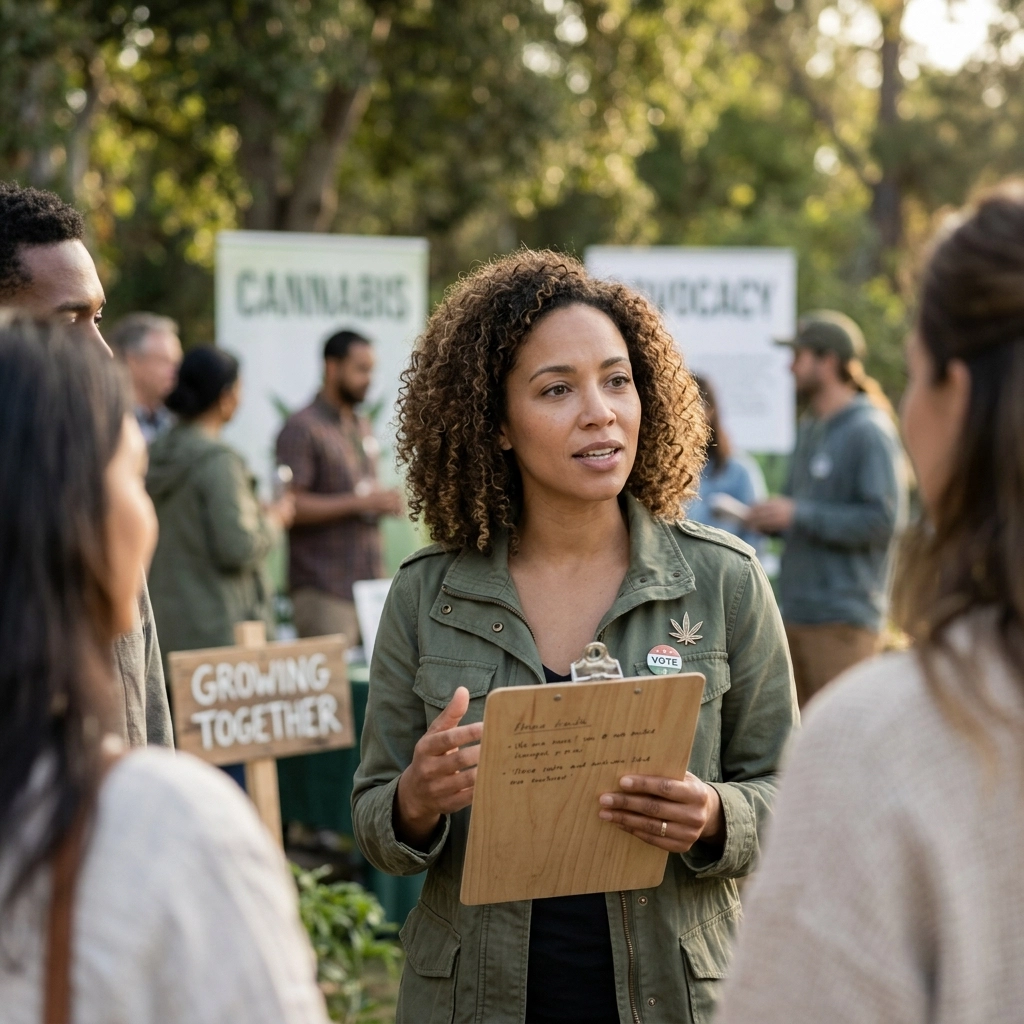
Welcome back to the Green Grove Bud community, where we believe that knowledge is the most potent compound in the cannabis world. Today, we are stepping onto the "Grove Buddy Soapbox" to talk about something near and dear to our hearts: advocacy. Whether you’re a long-time enthusiast or a curious newcomer, the way we talk about this plant matters. We are living in a transformative era where policy reform is sweeping across the country, but the fight for a fair, sustainable, and inclusive cannabis culture is far from over. Advocacy isn't just about shouting from the rooftops that cannabis should be legal; it’s about fostering a stigma-free environment through thoughtful education and social responsibility. However, even the most well-intentioned advocates often trip over common pitfalls that can accidentally hinder the movement. In this deep dive, we’re going to explore seven common mistakes people make when advocating for cannabis and, more importantly, how we can all do better to ensure our community continues to thrive.
1. Relying on Anecdotes Instead of Science-Backed Information
One of the most frequent mistakes advocates make is relying purely on personal stories to prove a point. We’ve all heard it: "My cousin’s neighbor used CBD and now they can run marathons." While personal testimonials are powerful and have their place in humanizing the plant, they aren't enough to sway skeptical policymakers or medical professionals. To truly break down myths, we must ground our advocacy in science-backed information. When we talk about the benefits of the plant, we should be discussing the endocannabinoid system, the entourage effect, and peer-reviewed studies on specific cannabinoids.
How to Fix It: Become a Student of the Plant
Instead of just sharing "what happened to you," take the time to understand the "why" behind it. Invest in your own cannabis education so you can speak confidently about how THC, CBD, and terpenes interact with the human body. When you back up your passion with hard data, you become an authoritative voice that is much harder to dismiss. Our goal is to make informed decisions as a collective, and that starts with valuing facts as much as we value feelings.
2. Overlooking Sustainable Cannabis Practices
As we advocate for more access, we often forget to talk about the environmental cost of the "Green Rush." Massive indoor grows can consume staggering amounts of electricity and water, and the use of synthetic pesticides can harm local ecosystems. If we want cannabis to be a force for good, we have to advocate for the planet just as much as we advocate for the plant. Ignoring the ecological footprint of the industry is a mistake that could lead to long-term damage to the very Earth that provides our medicine.
How to Fix It: Support Eco-Friendly Agriculture
Start prioritizing sustainable cannabis practices in your conversations and your purchases. Advocate for regenerative farming, sun-grown cultivation, and plastic-free packaging. When we highlight brands that prioritize the environment, we send a message to the industry that sustainability is a non-negotiable core value. We should strive to cultivate a future where the cannabis industry is a leader in green technology and ethical farming.
3. Using Stigmatizing Language (Even Accidentally)
Language is one of the most powerful tools in our advocacy toolkit, yet many of us still use terms that carry heavy, negative baggage. Using words like "pot," "weed," or "stoner" in professional or legislative settings can inadvertently reinforce the very stereotypes we are trying to dismantle. While these words are fine for a casual Friday night with friends, they can undermine the perceived legitimacy of our movement when we’re pushing for serious policy reform.
How to Fix It: Shift Your Vocabulary
Switch to more precise and inclusive language. Use the term "cannabis" rather than its slang counterparts. Refer to people who use the plant as "consumers" or "patients." By choosing professional and clinical terminology, we help create a stigma-free environment where the plant is treated with the respect it deserves. This isn't about being "politically correct"; it's about being effective communicators who can bridge the gap between the culture and the mainstream.
4. Shying Away from Hard Conversations on Policy Reform
It’s easy to celebrate when a new state goes "legal," but true advocacy requires looking at the fine print. Many legalization efforts focus on tax revenue while ignoring social equity or the rights of home growers. If we only advocate for the "fun" parts of cannabis and ignore the legal complexities, we leave vulnerable members of our community behind. This includes those still incarcerated for non-violent offenses or those in "legal" states who can still be fired from their jobs for off-the-clock consumption.
How to Fix It: Advocate for Comprehensive Reform
Advocacy isn't just about the end goal; it's about the process. We need to demand policy reform that includes records expungement, social equity licenses for marginalized communities, and protections for medical patients. Education doesn't stop at the plant’s biology; it extends to the laws that govern it. Stay informed about the specific bills in your area and share that knowledge with your network. True community education means knowing your rights and fighting to expand them for everyone, not just a select few.
5. Ignoring the Holistic and Medicinal Distinction
In the rush to normalize adult-use (recreational) cannabis, some advocates accidentally downplay the medicinal side of the plant. Cannabis advocacy started with patients who needed life-changing medicine, and we must never lose sight of that. When we treat cannabis as "just another lifestyle product," we risk losing the legislative protections and insurance considerations that patients desperately need.
How to Fix It: Highlight the Connection Between Plant and Medicine
Always keep the medicinal roots of cannabis at the forefront of your advocacy. Whether you're discussing edibles or flower, emphasize that for millions of people, this is a vital part of their healthcare routine. Use resources that highlight the connection between cannabis leaves and their therapeutic applications to remind your audience that this plant is, first and foremost, a gift of nature intended for healing.
6. Preaching to the Choir (The Echo Chamber Effect)
It’s fun to talk about cannabis with people who already love it. We share tips, swap strain stories, and celebrate our shared passion. But if we only talk to our fellow "Grove Buddies," we aren't actually doing the work of advocacy. Real advocacy happens when we engage with people who are skeptical, fearful, or misinformed. If we avoid these groups because we’re afraid of conflict, we allow misinformation to continue unchallenged.
How to Fix It: Foster Inclusive and Diverse Dialogue
Step outside your comfort zone and find ways to connect with those who aren't yet convinced. This doesn't mean starting arguments on the internet; it means being a visible, responsible, and knowledgeable member of your broader community. Be the person who can answer questions about cannabis education with patience and grace. By being a positive example of a cannabis consumer, you do more for the movement than a thousand social media posts ever could.
7. Forgetting the Importance of Community Education
Advocacy is often seen as a top-down endeavor: lobbying politicians and changing laws. But true, lasting change happens from the ground up. A major mistake is assuming that once a law changes, the work is done. If the community isn't educated on how to use the plant safely, responsibly, and ethically, we see a rise in preventable issues that can lead to a public backlash.
How to Fix It: Share the Knowledge
We believe in a partnership with our readers. Use your voice to foster community education. Teach your friends about dosing, explain the importance of lab testing, and share information on where to find sustainably grown products. When we elevate the collective knowledge of our community, we create a culture that is self-regulating and resilient. This bottom-up approach ensures that as the industry grows, it does so with a foundation of wisdom and social responsibility.
Cultivating a Brighter Future Together
The road to a fully realized, stigma-free cannabis culture is long, but it’s a journey we are taking together. By identifying these seven common mistakes, we can refine our approach and become more effective advocates for the plant we love. Let’s commit to a future built on science-backed information, sustainable cannabis practices, and a deep commitment to community. Every conversation you have is an opportunity to break down a myth or plant a seed of understanding. Stay curious, stay informed, and most importantly, stay connected. At Green Grove Bud, we are honored to be your partner in this transformative era. Together, we will thrive, cultivate a more just world, and ensure that the green grove continues to grow for generations to come. Keep fighting the good fight, and keep sharing the light of education with everyone you meet.