
As the popularity of cannabis continues to rise, many enthusiasts are opting to create their own edibles at home. This pursuit not only offers a customizable experience but also ensures that you know exactly what you’re consuming. However, crafting the perfect cannabis edible is an art that blends chemistry with culinary skills. In this comprehensive guide, we’ll delve into the science of making cannabis edibles at home, providing you with the knowledge and techniques necessary to create delicious and effective treats.
Understanding Decarboxylation
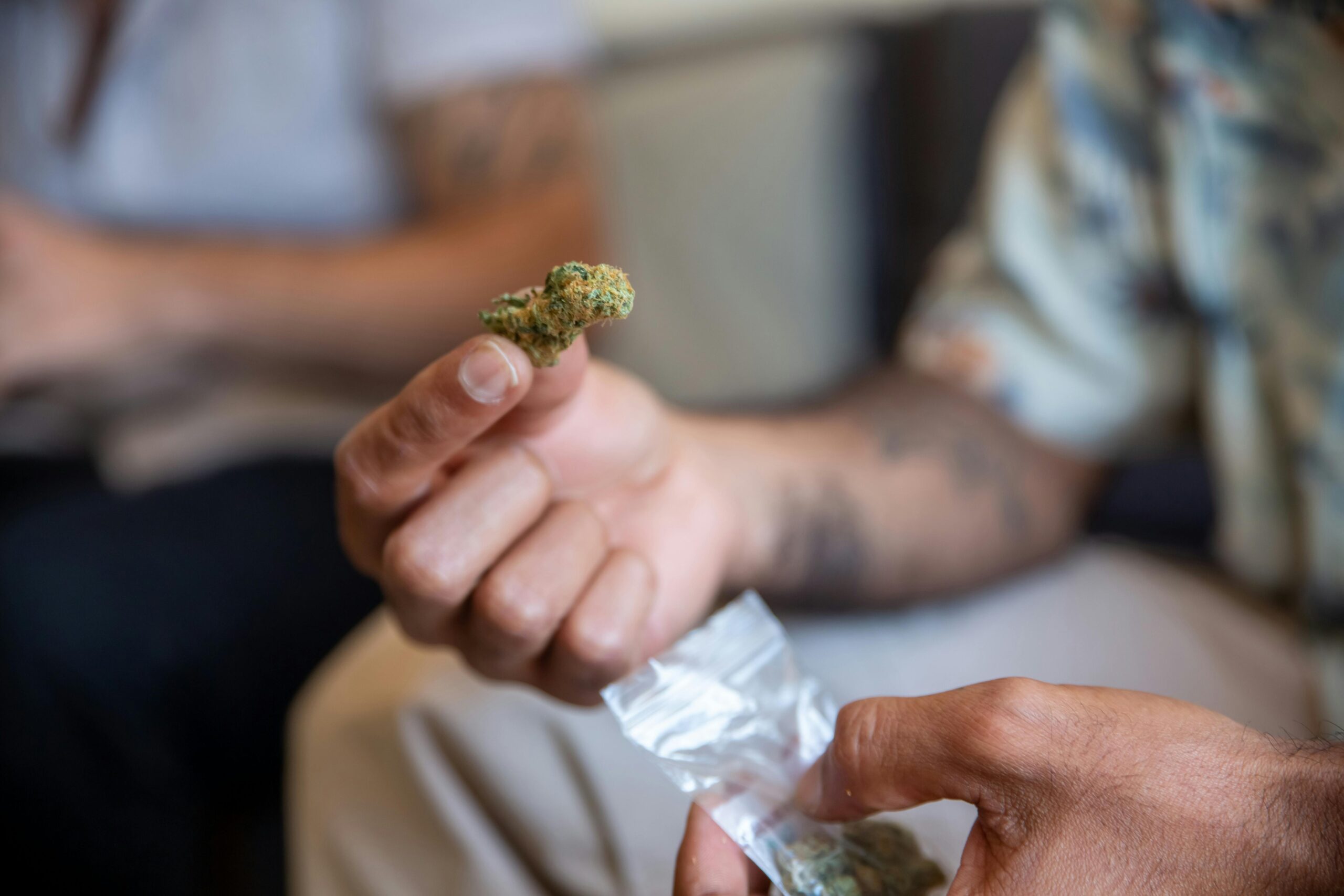
The journey to perfect cannabis edibles begins with decarboxylation. This chemical process is essential because raw cannabis contains THCA, a non-psychoactive compound, which needs to be converted into THC, the compound responsible for the psychoactive effects. Decarboxylation involves heating cannabis at a low temperature to activate its psychoactive properties.
To effectively decarboxylate your cannabis, preheat your oven to 220°F (105°C). Grind the cannabis to a medium consistency and spread it evenly on a baking sheet lined with parchment paper. Bake for 30-45 minutes, ensuring that you stir the cannabis every 10 minutes. This slow heating process will convert THCA into THC, making it ready for infusion.
The Art of Infusion
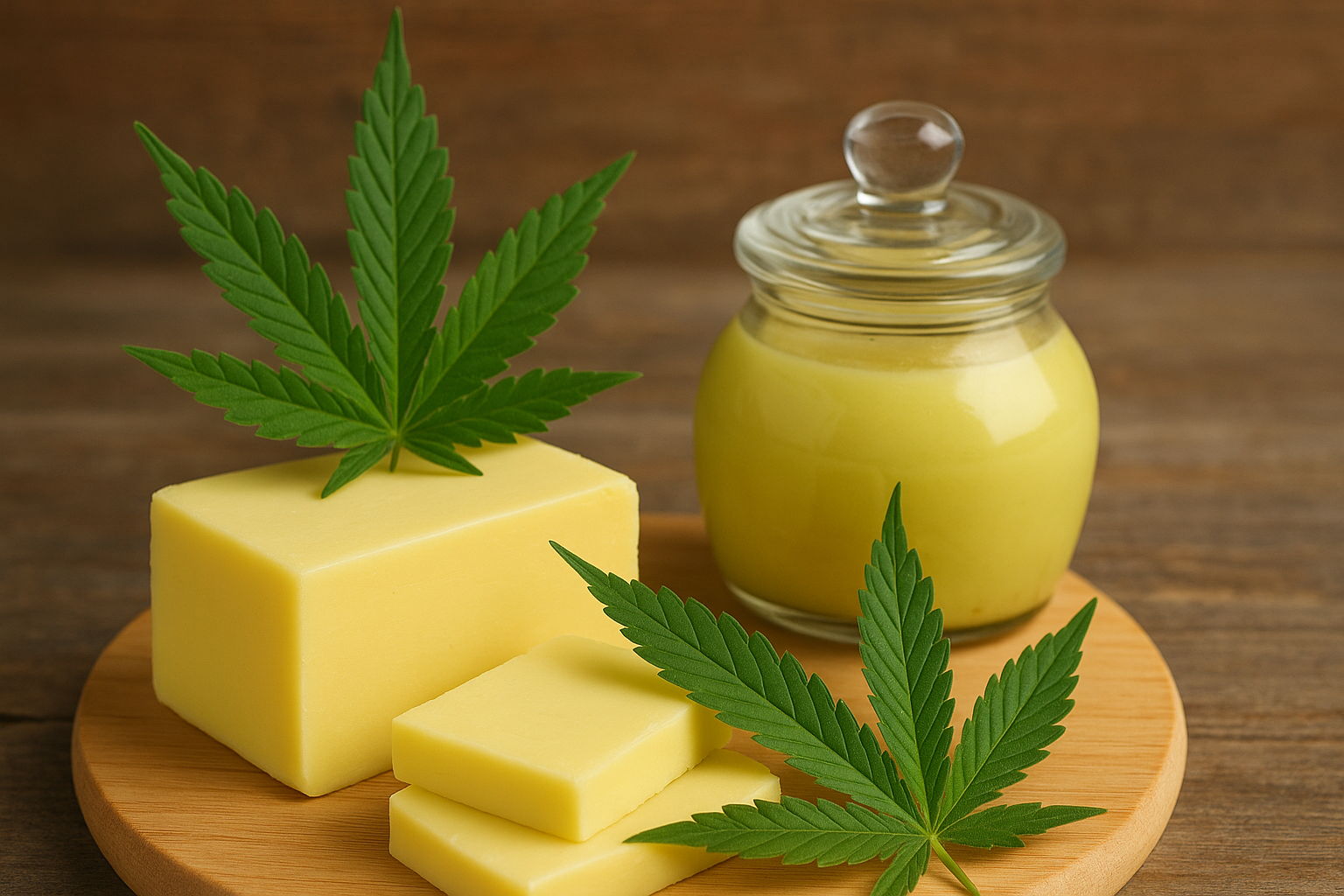
Once decarboxylation is complete, the next step is to infuse the activated cannabis into a fat-based substance like butter, oil, or coconut oil. This is because THC is fat-soluble, meaning it binds well with fats, which helps in efficient absorption in the body. To create cannabis-infused oil or butter, you will need:
- 1 cup of butter or oil
- 1 cup of water
- 1 ounce of decarboxylated cannabis
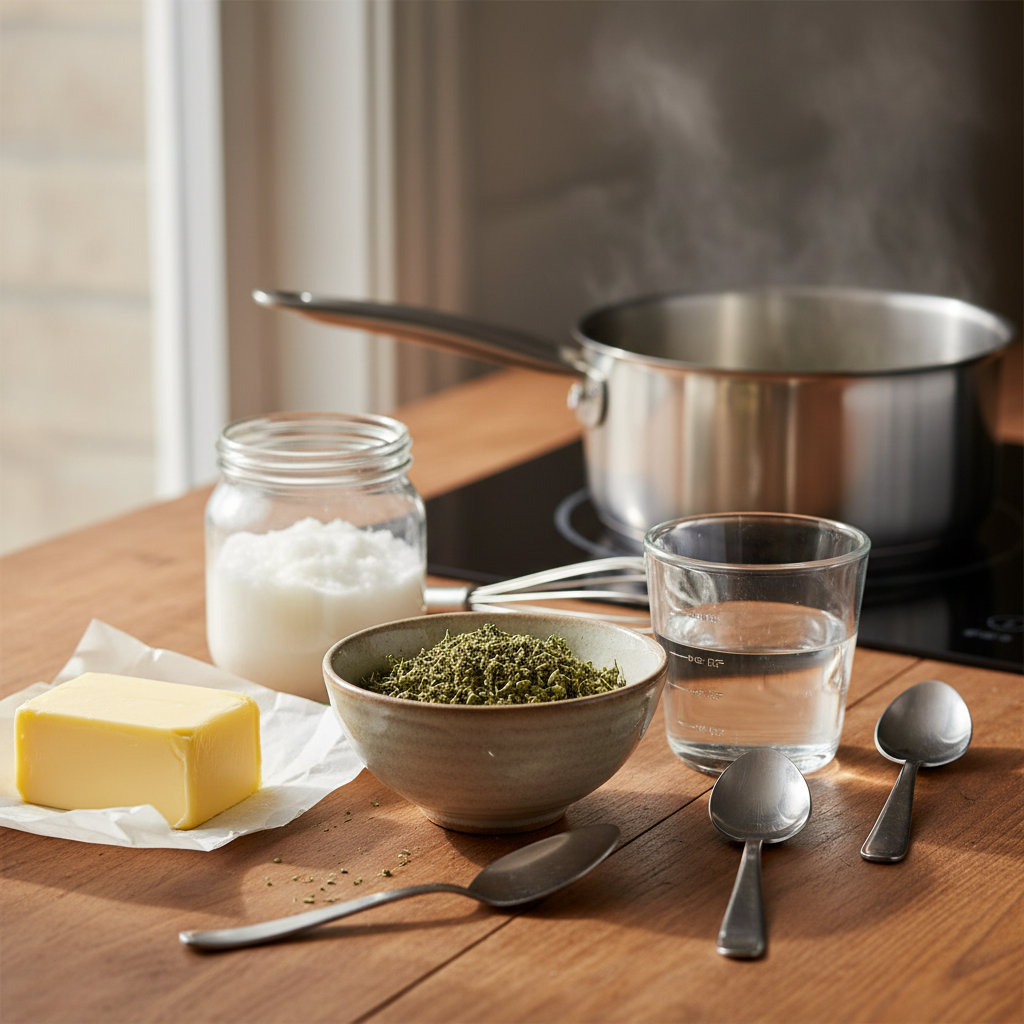
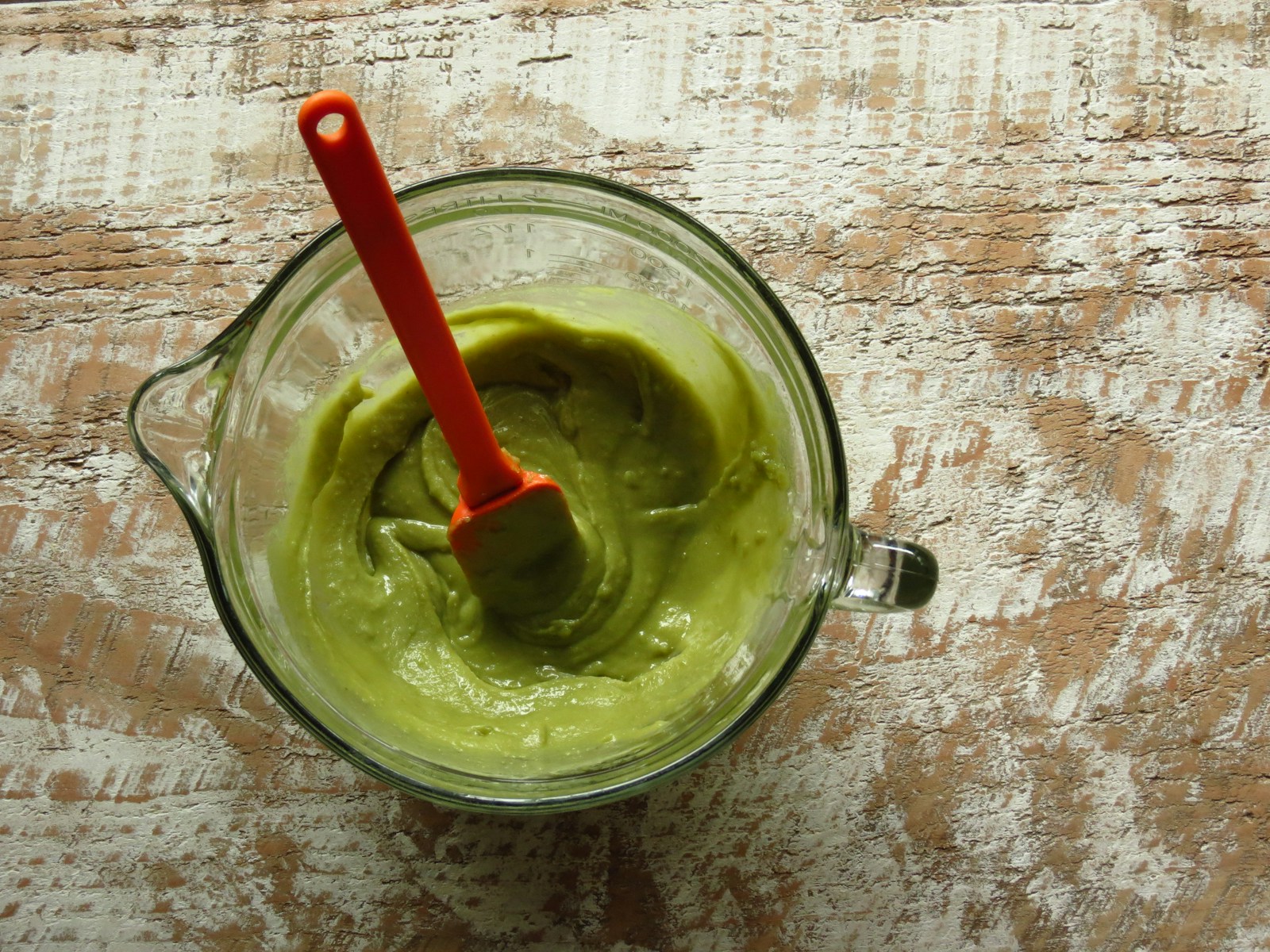
Combine butter or oil with water in a saucepan and simmer over low heat. Add the decarboxylated cannabis, stirring occasionally, and let it simmer for 2-3 hours. Be careful not to let the mixture boil, as high temperatures can degrade the THC. Once done, strain the mixture through a cheesecloth into a container, separating the plant material from the infused butter or oil. Allow it to cool and solidify before use.
Choosing the Right Strain
The choice of cannabis strain significantly affects the flavor and effects of your edibles. Strains high in THC will produce stronger psychoactive effects, while strains high in CBD are more therapeutic. Popular strains for edibles include Blue Dream, Girl Scout Cookies, and Harlequin. Consider the desired effects and flavors when selecting your strain.
Dosage and Potency
Determining the right dosage is crucial to ensure a pleasant experience. The potency of your edibles depends on the THC content of the cannabis used and the amount incorporated into the recipe. A general guideline is to start with 5-10mg of THC per serving, especially for newcomers. Always remember that the effects of edibles can take up to 2 hours to kick in, so patience is key.
🍪 Edible Dosing Calculator
Calculate how much THC oil to add to your batch
Exploring Recipes and Techniques
Experimenting with different recipes is one of the most enjoyable aspects of making cannabis edibles. Whether you’re crafting sweet treats or savory snacks, the possibilities are endless. Popular options include cannabis brownies, cookies, gummies, and even beverages.
When baking with cannabis-infused butter or oil, it’s important to keep track of temperature. High temperatures can degrade THC, so it’s best to bake at 350°F (175°C) or lower. Additionally, mixing techniques can affect the final product; ensure that the cannabis-infused butter or oil is evenly distributed throughout the batter for consistent potency.
Storing Your Edibles
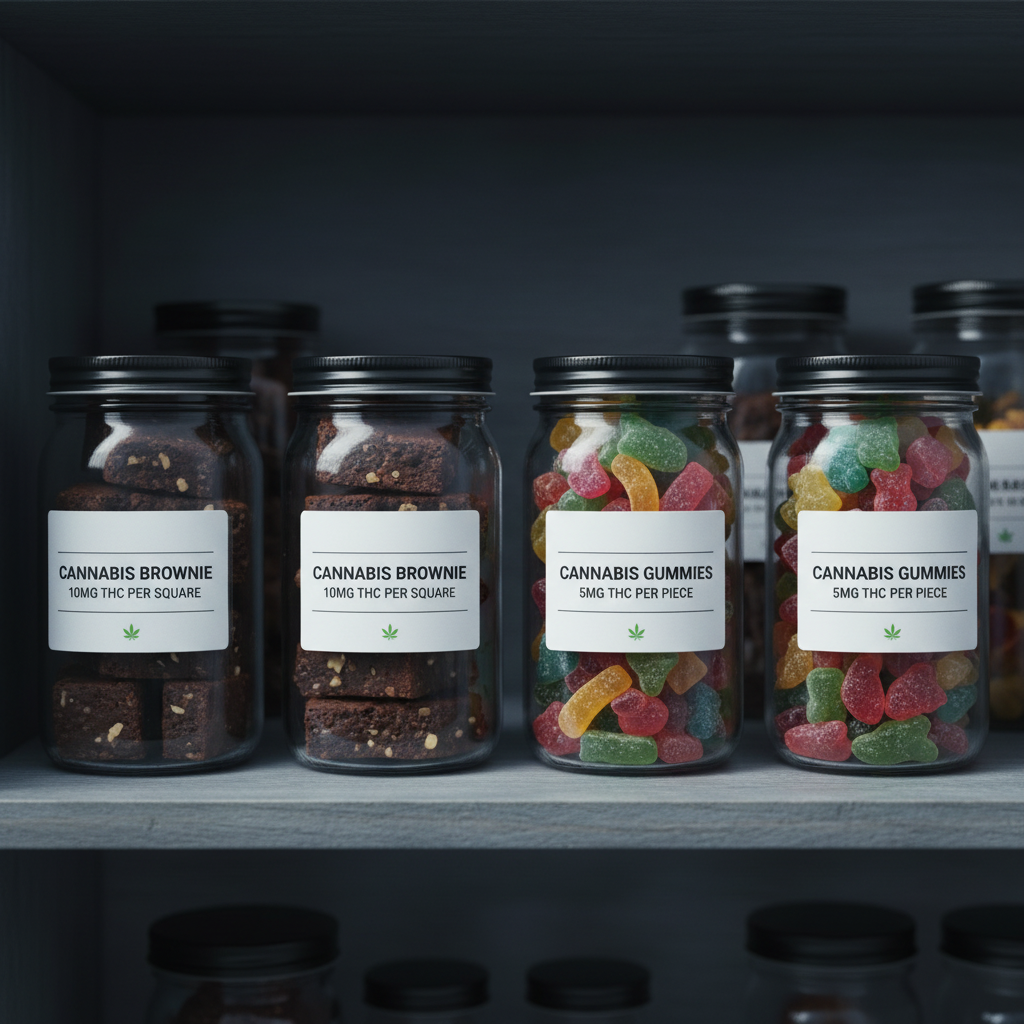
Proper storage is essential to maintain the freshness and potency of your cannabis edibles. Store them in an airtight container in a cool, dark place. If you’re making a large batch, consider freezing some for later use. It’s also crucial to label your edibles clearly, including the dosage per serving, to prevent accidental overconsumption.
Legal and Safety Considerations
Before embarking on your culinary adventure, familiarize yourself with the legal regulations surrounding cannabis in your area. Ensure that your activities comply with local laws to avoid any legal issues.
Additionally, safety should always be a priority. Keep your cannabis edibles out of reach of children and pets, and consume responsibly. Educate yourself and others about the effects and dosages to promote a safe and enjoyable experience.
Takeaways
Making cannabis edibles at home can be a rewarding and educational experience. By understanding the science behind decarboxylation, infusion, and dosage, you can create delicious and effective edibles tailored to your preferences. Whether you’re a seasoned cannabis connoisseur or a curious beginner, this guide provides the foundation you need to master the art of cannabis edibles. Remember to experiment, have fun, and always consume responsibly. Happy cooking!
Experimenting with Flavors and Ingredients
One of the joys of making your own cannabis edibles is the opportunity to experiment with different flavors and ingredients. Beyond the traditional brownies and cookies, consider incorporating cannabis into more gourmet recipes. Infusing olive oil with cannabis can elevate pasta dishes, while cannabis-infused honey can add a unique touch to teas and desserts.
For those who enjoy savory dishes, consider making cannabis-infused butter to use in sauces or as a spread for bread. Infused oils can also be used for sautéing vegetables or drizzling over salads for a subtle yet effective dose. Be sure to taste as you go, adjusting the amount of infused product to suit your taste preferences and desired potency.
Understanding the Effects of Different Cannabinoids
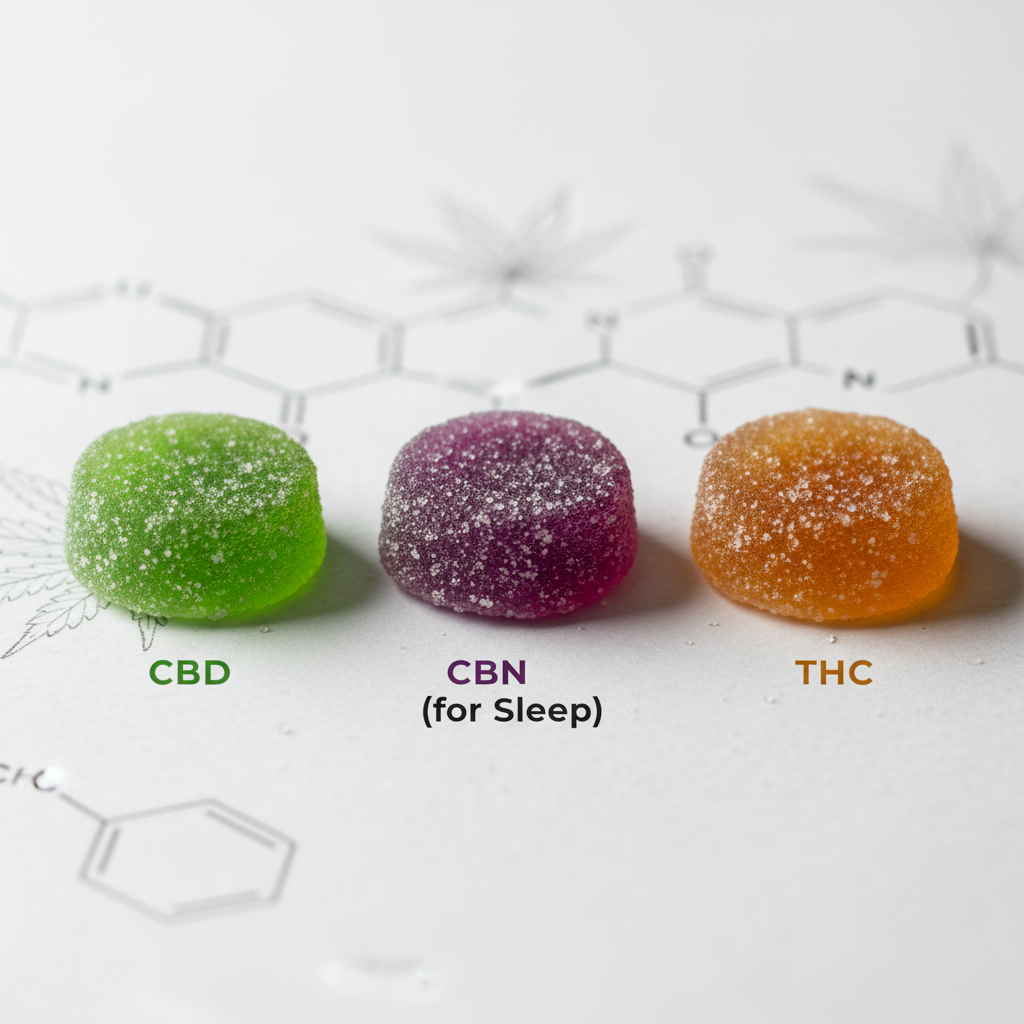
While THC is the most well-known cannabinoid, it’s important to understand the role of other cannabinoids like CBD, CBN, and CBG in edibles. CBD-infused edibles are popular for their therapeutic benefits without the psychoactive effects, making them a great option for those seeking relaxation or pain relief without a high.
CBN is another cannabinoid that is gaining attention for its sedative properties, making it ideal for nighttime edibles aimed at improving sleep. Understanding how these different compounds interact can help you create edibles tailored to specific effects, whether you’re looking for relaxation, pain relief, or a good night’s sleep.
Edibles and the Entourage Effect
The entourage effect is the theory that cannabinoids work better together than in isolation. This means that using full-spectrum cannabis, which includes a range of cannabinoids and terpenes, can enhance the overall effect of your edibles. When crafting your edibles, consider using strains that provide a balanced profile of cannabinoids and terpenes to maximize the entourage effect.
Terpenes, the aromatic compounds found in cannabis, also play a crucial role in the flavor and effects of your edibles. Different terpenes can enhance or complement the effects of THC and CBD, adding another layer of complexity to your culinary creations.
Tips for First-time Consumers
If you’re new to cannabis edibles, it’s crucial to start low and go slow. Begin with a small dose and wait at least two hours before consuming more to gauge how your body reacts. The effects of edibles can be more intense and longer-lasting than other forms of consumption, so it’s important to be patient and cautious.
Keep in mind that the method of consumption can affect the onset and duration of effects. Edibles metabolized through the digestive system tend to take longer to kick in but can last for several hours. Always have non-infused snacks and drinks on hand to avoid overconsumption.
Takeaways
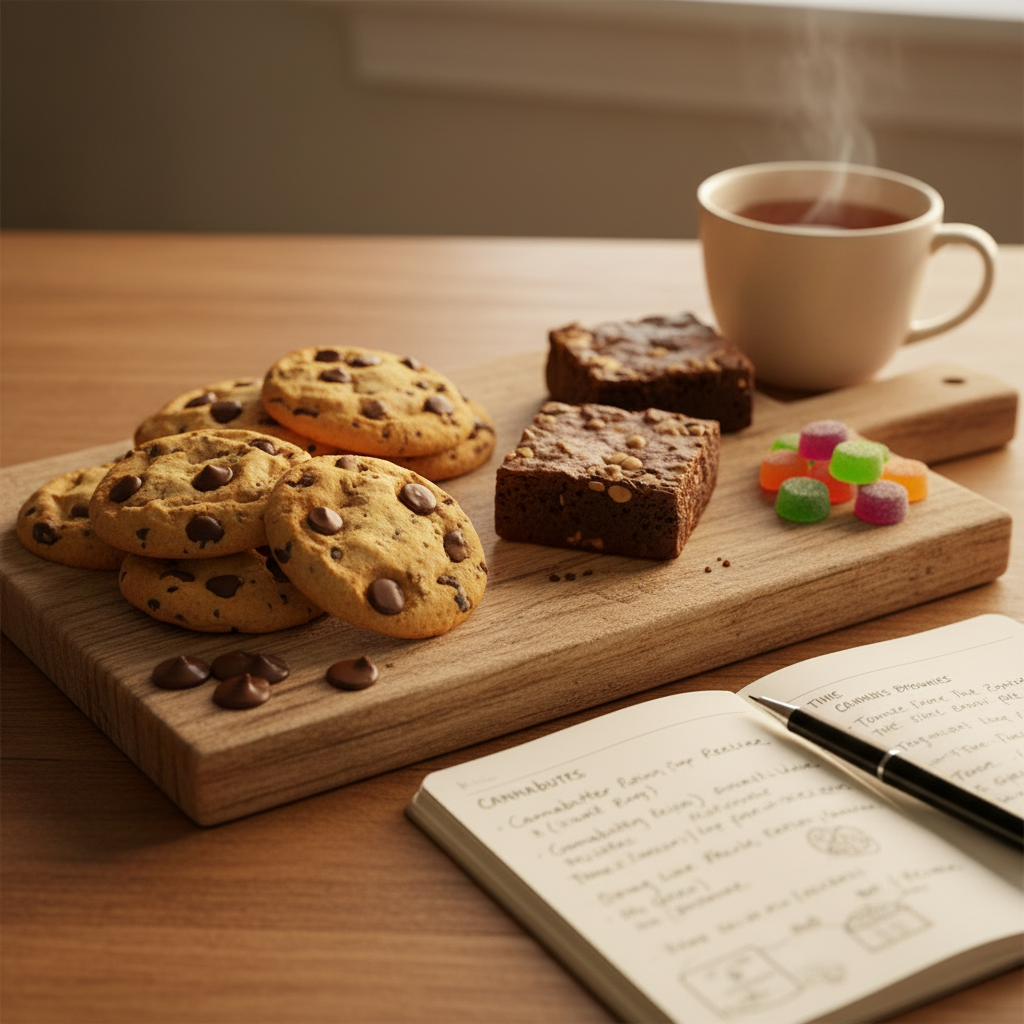
Creating cannabis edibles at home is a fulfilling endeavor that combines the science of chemistry with the art of cooking. By understanding the principles of decarboxylation, infusion, and cannabinoid interactions, you can craft edibles that are not only delicious but also tailored to your specific needs and preferences. Whether you’re aiming for relaxation, therapeutic benefits, or just a fun culinary project, this guide provides the essential knowledge to get started.
As you continue to experiment and refine your techniques, you’ll discover the vast potential of cannabis edibles. Remember to prioritize safety, adhere to legal guidelines, and consume responsibly. With the right approach, you can enjoy the rich flavors and effects of homemade cannabis edibles in the comfort of your own home.
Exploring Different Edible Forms
Cannabis edibles are not limited to baked goods and confections. There are numerous forms to explore, each offering a unique experience. Gummies, chocolates, and hard candies are popular choices, but you can also venture into creating cannabis-infused beverages, such as teas, coffees, and smoothies. These liquid edibles offer a convenient and refreshing method of consumption.
For a more savory approach, consider making cannabis-infused sauces, dips, or dressings. These options allow you to incorporate cannabis into your everyday meals, enhancing your dining experiences without the need for sweet treats. Experimenting with different forms can help you discover new favorites and expand your culinary repertoire.
Innovations in Cannabis Edible Technology
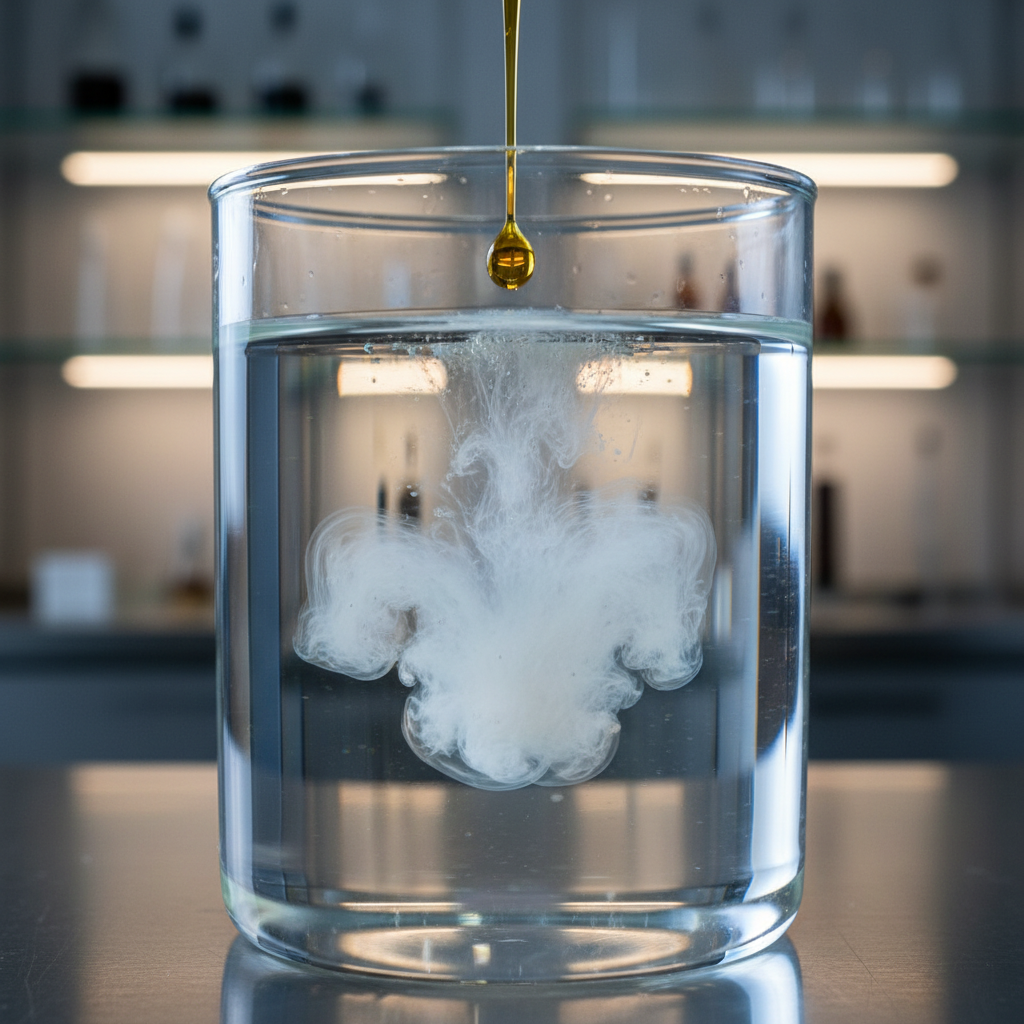
The world of cannabis edibles is constantly evolving, with new technologies and methods emerging to enhance the experience. One such innovation is nano-emulsification, which breaks down cannabinoids into tiny particles for faster and more efficient absorption. This technology is making its way into commercial edibles, offering quicker onset times and more predictable effects.
Another exciting development is the use of cannabis extracts and concentrates. These highly potent forms of cannabis allow for precise dosing and a cleaner flavor profile, making them ideal for infusions and edibles. As technology advances, the possibilities for creating innovative and effective cannabis edibles continue to grow.
Pairing Cannabis with Food and Drink
Pairing cannabis with complementary food and drink can enhance the overall experience. Just as wine is paired with specific dishes, cannabis can be paired with flavors and ingredients that complement its terpenes and effects. For example, a citrusy strain may pair well with a lemon-infused dessert, while an earthy strain could complement a rich, savory dish.
When considering pairings, think about the flavor profiles of both the cannabis and the food or drink. Additionally, consider the desired effects and how they might enhance or balance the dining experience. This thoughtful approach can lead to a more harmonious and enjoyable consumption experience.
Community and Sharing
One of the greatest joys of creating cannabis edibles is sharing them with friends and loved ones. Hosting a tasting party or potluck can be a fun way to showcase your creations and explore the culinary talents of others. When sharing, always ensure everyone is informed about the potency and effects, and encourage responsible consumption.
The cannabis community is a vibrant and welcoming space, and sharing your knowledge and creations can foster connections and inspire others. Whether through social media, local meet-ups, or cannabis clubs, engaging with like-minded individuals can enhance your appreciation for the art and science of cannabis edibles.
Final Thoughts
Crafting cannabis edibles at home is a rewarding journey that offers endless opportunities for creativity and exploration. By mastering the fundamental techniques and embracing experimentation, you can create edibles that are both delicious and tailored to your personal preferences. From understanding the chemistry of cannabinoids to exploring the latest innovations, this guide has equipped you with the tools to succeed in your culinary endeavors.
As you continue to develop your skills, remember to prioritize safety, legality, and responsible consumption. Enjoy the process, savor the results, and share your passion with others. With each edible you create, you contribute to the rich tapestry of cannabis culture, one delicious bite at a time.